
As usual, I went to make myself some coffee in the morning, but I had run out. I grumbled to myself. I immediately went out, bought a coffee from the café across the street, and, with the paper and pen I had brought along, began sketching out what I was thinking of writing. (Not this article.)
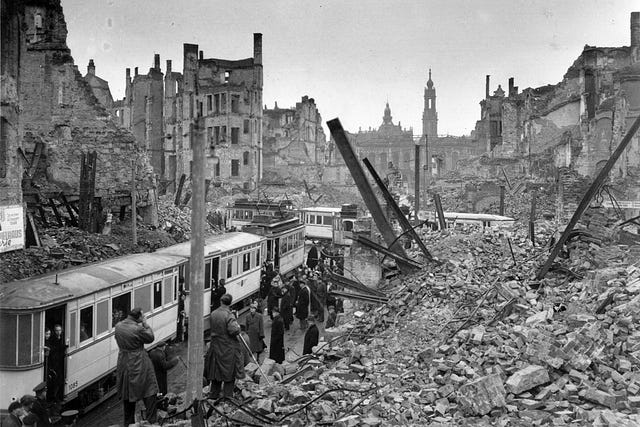
Sometimes, when I look at Dresden, I see it in ruins. When I was a student, I visited Dresden 1945, a panoramic exhibition by the Austrian architect and artist Yadegar Asisi. It was an exhibition where you could see the entire city from the middle of its ruins. Later, I saw similar scenes on YouTube, through a virtual reality headset, and most recently in a book I bought. Today, when people walk through the Old Town, they are actually looking at newly constructed buildings. Because in 1945, the city looked like this:
history.com
And it doesn’t end there. Migration to surrounding cities and countries, hunger, and countless other problems follow. In the 80 years since, the city has risen again, but the psychology of a city doesn’t recover quite so easily. The fears and habits from that time and its aftermath still persist. Eighty years may sound like a long time, but the memory is still alive.
Of course, as time passes, everything that happened turns into a fantasy novel. As if none of it ever happened, as if it were merely a fictional story. Then, while sipping your coffee, you look out at the street. A group of people has gathered, trying to make their voices heard. They say, “We are the characters of another fantasy novel. Hear us!”
Having just climbed out of my warm bed, thinking, “Ugh, who wants to go outside in this cold, rainy weather?”, the last thing I feel like doing is joining a protest. What problems could these people possibly have?
I’m not a wealthy person, but according to Giving What We Can, when compared by purchasing power, I’m among the richest 3% of people in the world. That means many people I know are much better off than I am. Some are chasing even more, while others, like me, feel they already earn more than enough. Still, everyone has their own problems.
As a child, I used to read stories about New York on the internet. Sometimes they described the indifference of city life, or I would see it portrayed in films. White men complaining about dirty streets and beggars. They don’t want to see anything unpleasant. It bothers them. You can see similar scenes when you walk out of Frankfurt’s main train station. People stepping over homeless people, men in suits trying to help elderly people who are struggling to step over them…
As I grew older, I met more and more people like this. There were even people close to me whose attitudes toward life disappointed me. Nothing negative should happen, be discussed, or be seen. And when something negative does appear, let’s complain about it. In the words of comedian Louis C.K., “white people problems.”
I prefer rough, unpolished places. Places where I can see life, feel threatened, feel uncomfortable, and question why they make me uncomfortable. Even though, much of the time, I can’t find the energy to go to such places. Everywhere else feels too ordinary, too much like everywhere else. You might call me a hypocrite because I own all the things I own, but I also feel the weight of possessing them. Sometimes I want to sell everything and give it away to someone. If a burglar broke into my home, I might even be pleased.
Lately, even engineering has started to feel meaningless. With so many problems in the world, it weighs on me that I studied and specialized in creating more problems, only to solve efficiency issues that nobody actually needs solved. Maybe that’s why I keep writing, as if I’m confessing my sins.
That’s why it bothers me that even an ordinary, slightly above-average life puts me in the top 3%. I think about it even when I’m buying coffee. The fact that the coffee is here in the first place is an entirely different story.
Swedish academic Hans Rosling presents data about the world in his book Factfulness. He explains how much progress we’ve made in some areas, why despairing over everything makes little sense, and, at the same time, how deeply unjust the world remains in other respects. Alongside the book, he created the website Dollar Street — Photos as Data to Kill Country Stereotypes with his son and daughter-in-law. The site visualizes a hypothesis he describes in the book: people at similar income levels across the world tend to live in similar ways, with similar interests and habits. Looking at the site also makes it possible to see what life is like outside that top 3%.
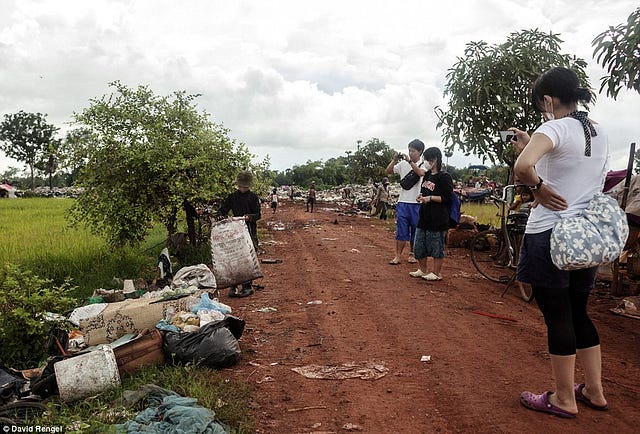
Images from Cambodia show horror of child labour at rubbish site — Daily Mail Online
In some places, people don’t even have forks, let alone internet access, while elsewhere we’re discussing technologies that could take away our jobs. It’s a strange world indeed. But everyone has their own problems, right?
I think this is one of the most dangerous perspectives, philosophically and ethically. It’s the kind of thinking that brought destruction in the past and, today, keeps the residents of Dollar Street from moving away from the wealthier end of the street. Everyone has their own problems. But what if those problems are the price of the habits we call civilization?
When we buy coffee, we don’t see the misery where that coffee is produced. The same applies to everything branded that we own. The price of all of it is paid by people whose lives are shortened, people who spend their lives in misery. We don’t see any of this because everything has been packaged and produced so that it won’t disturb the peace of our positive world. But what about war?
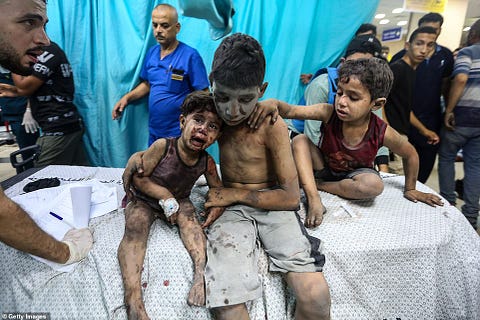
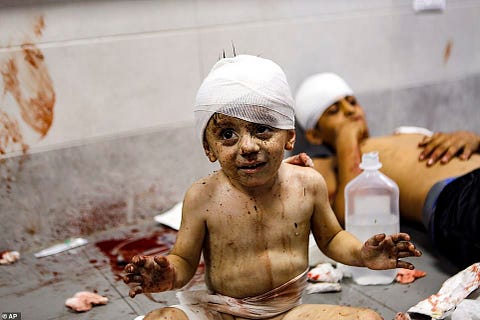
Every day, people talk about war. People are killed, people die, people are left in misery. Sometimes I feel as if I’m living inside a novel. As I cross the street, it’s as though I’m invisible and untouchable. Tanks fire shells at one another, buildings collapse, drones attack from the sky, roads and buildings disappear into dust and smoke. Some people are trapped beneath the rubble. Some scream for help. Some throw themselves into the water, trying to reach the opposite shore. Some are shot along the way; others drown. Someone who makes it across looks back. Nobody is left. They wait, wait, and wait. After a while, they stop waiting. They carry on with their life. And wherever they end up, they are pushed around, rejected, and excluded.
It’s as if I’m buying my coffee in the middle of all this. What’s even stranger is that all of this is actually happening, yet we have our “white people problems.” Our only concerns are money and making sure the things we buy and own with that money are perfect. That no unpleasant images interrupt the picture. I’ve even seen people block someone because “they’re always sharing depressing things.” This is our modern, highly developed life. We block people, and what is happening becomes as distant and surreal as Dresden in 1945.
Even talking about these things seems like something to avoid. “You only live once.” Isn’t it ironic to hear “you only live once” from people who are terrified of aging, of wrinkles appearing on their faces, of their hair falling out or turning gray, who worry about the weight they’ve gained through abundance and the changes in their bodies, and who go from one surgery to another?
In reality, you only die once. But some people don’t even get to choose when. Some can die simply while going to the toilet. Meanwhile, algorithms filter what is happening so that our peace of mind won’t be disturbed. Whatever remains is marked as “disturbing.” When the truly disturbing thing is the system we’ve built.
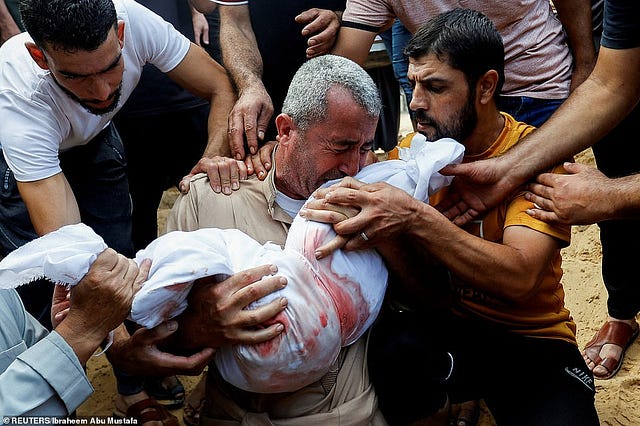
One of the central questions of psychological research conducted after the Nazi era was how people could remain silent in the face of what was happening, and how someone simply carrying out their duties could fail to resist what they were doing.
Many people are still surprised by this. Or they accuse an entire nation of being monstrous. And while doing so, they close their own eyes and ears to what is happening in the world in exactly the same way.
The other day, I watched a documentary called NAZA. It features interviews with people in Israel who directed and planned attacks or worked on developing the technology used in them. It reveals how meticulously attacks are planned, down to the smallest detail, how civilian casualties are disregarded, and the role technology plays. At the same time, it shows how orders, obedience, and professional duty can override individual responsibility and conscience.
Of course, the Israeli military and government reject these allegations and continue finding ways around international law. Like every powerful side in a war.
Apparently, the word “Naza” is used to refer to civilian casualties associated with a target. Just as we do today in newspapers, on social media, and in everyday life, everything is reduced to a simple term or a statistic. The deaths of 74,000 people, more than 60,000 children losing at least one parent, 1.9 million people with nowhere to return to and nowhere else to go, no jobs to do or food to eat even if they tried to rebuild, the disappearance of healthcare and the impossibility of education — none of this seems to mean anything behind terms like terrorism, Naza, and attack.
Although what we call “refugee experiences” is anything but normal, we prefer to describe these experiences as if they were ordinary. Because only then can they become just another everyday event in our lives. And then we find it strange that these people cannot be “normal.” Even though we ourselves can let a torn shoe ruin our entire day.
The documentary describes people being killed for stepping outside the designated route while trying to get food. TO GET FOOD!
It also claims that the attacks are supported by artificial intelligence and that some decisions are made automatically, although these allegations have been denied.
One interviewee’s answer was what interested me most. “Do you ever feel guilty?” the journalist asks. A few of them had, of course, reflected on what they had done. But one of them says, “No. I did my job. I’m satisfied that I completed my mission.” He goes on to explain that he feels no ethnic hatred and that the people he worked with also carried out their jobs without expressing any ethnic hatred.
This is exactly why I think engineers shouldn’t be placed in high-ranking positions or decision-making roles. Because everything becomes about solving problems and the satisfaction of completing the task you’ve been assigned.
This reminded me of friends who judged me when I refused a job offer in the defense industry. “Are you crazy, man? They pay really well!” Because although they may appear sensitive to these issues today, I’m quite certain that if their job were to build a device designed to kill people, they would do their very best to make it work. In other words, the price others pay for your comfort and your job.
Another interesting answer in the documentary comes when someone is asked, “Why did you do it? Did you ever want to quit?” “If I hadn’t done it, someone else would have.”
Just like the race to do something before everyone else in the years leading up to the world wars. Just like today’s war economy and technological arms race. Ideas that feed one another. Preventing war through war, or believing you can prevent war by preparing for it, is perhaps the greatest stupidity humanity has refused to abandon for thousands of years. Even though not a single war in history has ever truly been won.
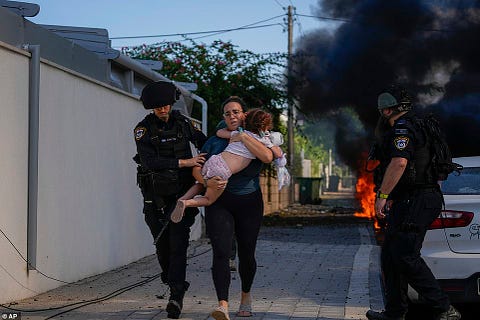

When everything is reduced to numbers, it loses its meaning and becomes simple. Exploitation, death — all of it becomes normal.
The other day, while killing a fly, I found myself thinking about how indifferent I was toward it. Where is the boundary? At what point does killing something begin to bother us? For me, I suppose that boundary is insects. Once a creature seems a little more alive, something capable of making eye contact, I can’t kill it. I can’t even hurt it. But with insects, I don’t hesitate. If a spider is large enough, though, I start thinking again. Apparently, once you reach the top of the system, human beings also become insects to some people.
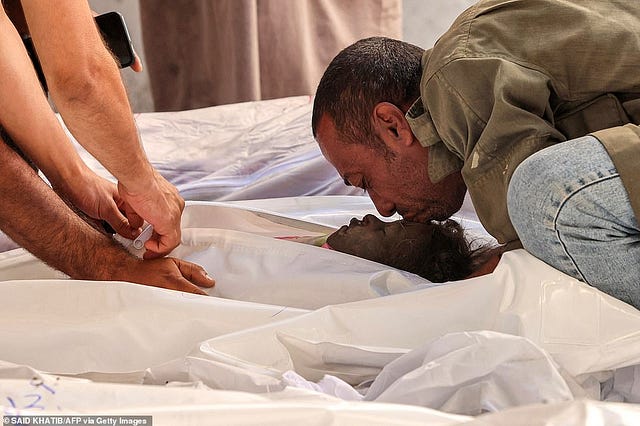
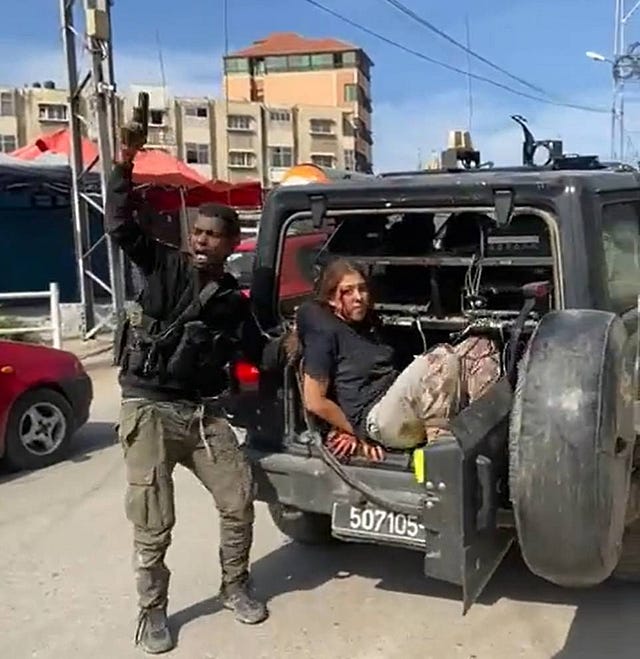
War isn’t just about dying and killing. What comes before and after it is a long and miserable process.
First, unemployment, poverty, and restrictions on movement become normal. Then attacks, losing at least one family member, burned-down homes, lynched people, and names singled out as targets become normal too. They become ordinary everyday events. People learn to dismiss them as just another development in the news.
When migration slowly begins, that too becomes normal. Once the destruction starts, it becomes the most natural thing in the world. Their homes are gone, their cities have been flattened, and of course they have no choice but to leave. This time, the stories of those who migrate turn into stories about a crowd. Both their past and their future are erased.
A mass.
Individual stories no longer matter. Let them go, let them come. Are they good, are they bad? Should they learn, should they work, will they work, won’t they work? Should we accept them or not?
Imagine losing your job and having absolutely no money. What would you do? Most of us can’t even imagine it because we have somewhere to turn. But what about water? Where would you get drinking water? When you think of water as something that comes in a bottle, can you even imagine not being able to access it? What about food? What if I told you that you wouldn’t be able to shower for weeks?
The situation is even worse for children, because the trauma can affect the next century. There are also deficiencies in their physical, psychological, and biological development. Think about everything you do to stop your own children from crying. Now imagine being in a situation where you can do absolutely nothing. Of course, that’s assuming the child has survived. Then come the long-term problems connected to all of this: illnesses, never having had the chance to learn a profession… In a world where it’s normal to reject someone for lacking experience, what are people supposed to do when they’ve experienced every hardship life can offer but have no profession?
Seen this way, we need to broaden how we understand the scope of the word genocide. Because even a trade embargo, at its most basic level, can affect the lives of two generations.
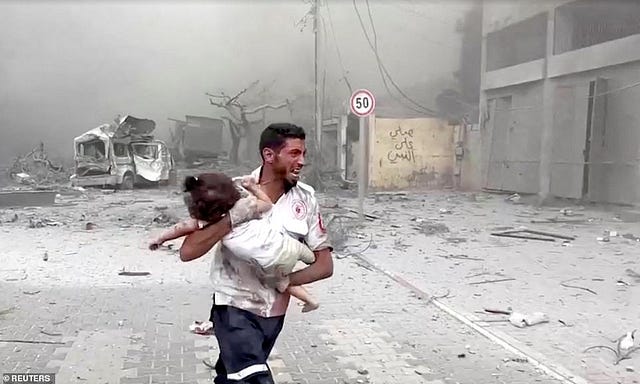
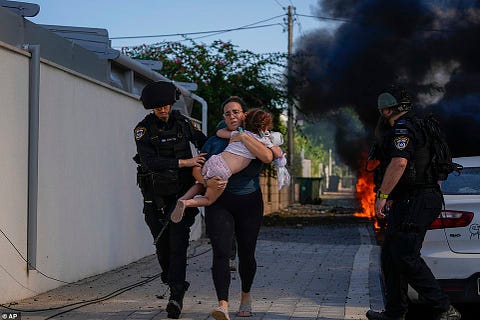
I started writing this because I wanted to talk about the documentary, but once again I’ve wandered from one subject to another, and my nervous system is in turmoil. Maybe this anger is directed at the indifferent people around me. Maybe at those who turn a blind eye to the world because of their personal ambitions or the social norms we’ve created.
When I see people who have lived through war, I feel ashamed to say I’m an engineer. Surrounded by so many real problems, I no longer get the same satisfaction from solving artificial ones.
This is also why I’ve never really liked the question “How are you?” and why my answer is always the same. How could I be? I’m fine. I don’t have to scream at one of my children to protect their sibling while I’m being crushed to death beneath the rubble. I’m not being shot while running toward arriving humanitarian aid. I don’t have to scrape food off the ground. I’m perfectly fine.


Leave a Reply