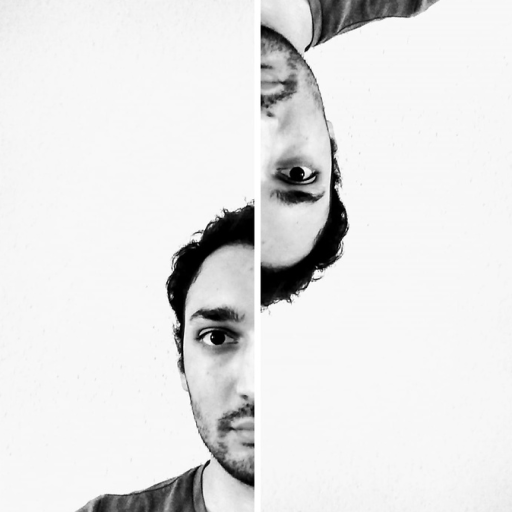

I carry within me a constant urge to migrate. I don’t know if it’s an escape from myself, or simply the thrill of starting over again and again. Would I be content if I were a bird, free to fly wherever I wished?
There was a time when travel felt simple—when I could just enjoy it without thinking too much. But in recent years, even that has changed. Now it feels as if I’m consuming, not experiencing. Everything looks the same, everything feels meaningless. I’ve never felt this detached before. It’s as if I’ve migrated so often that I’ve gone beyond the world itself. I live as a spectator, with only a few small pleasures to keep me company.
It’s been three years since my last migration. This time, something feels different. When I look around, I see almost no one. I don’t even have the desire for company. The few connections I have are from my old city, 80 kilometers away. Maybe that’s why it doesn’t feel like I’ve really migrated. There’s no sense of a new beginning either.
So I ask myself: Why do I still feel this urge?
Is it loneliness caused by all the moving around?
I can’t say I’m complaining. In fact, part of me wants to embrace even more solitude for a while. Something inside tells me that isolation might actually improve my life in many ways. And yet—it’s not easy. Migrating inward, into myself, feels harder than moving to the farthest corner of the world.
For years, I’ve asked myself: What am I even doing?
When I came to Germany, I was clear about my goals: do a master’s degree and build a life in Europe.
From the day I arrived, though, my mind has been confused. Sometimes I drift, sometimes I pull myself together. It always feels like I’m taking an exam I never studied for. And yet, somehow, I’ve made it to this point—mostly by inventing new motivations for myself along the way.
But this thought unsettles me. Something feels wrong. I ask again: What do I really want from this life?
I’ve asked myself this for years. Of course, I can invent a hundred possible answers: If I get that job, if I earn that much, if I go there, if I learn this… But then comes the big inner scream: Soooo what?
What happens after? The same emptiness.
This emptiness has been with me for a long time. Sometimes I wonder how I’ve even made it this far. If I knew exactly when the end would come, maybe I’d act differently. But both ideas—living another 40–50 years, or dying tomorrow—scare me equally. What story could I possibly invent to fill all those years?
I don’t carry regrets. I don’t dwell on “what if” moments. I don’t even have the excitement of starting fresh anymore. What I know is this: forty years from now, I’ll still be thinking the same thing—the end is near—and still unable to suppress the basic will to live. Maybe I’ll look back at what I’ve written today and call myself foolish, regretting the time I wasted worrying.
But even then, I doubt there’s much difference between chasing goals, failing, or not even trying at all. Human history has always been about creating problems that didn’t exist, then solving them. Maybe it’s not worth glorifying.
Much of this heaviness, I suspect, is tied to Germany’s cold, dark winters and the rigid system that bolts you into place. Yet in Turkey, too, I never fit into any mold—sun or no sun.
When I look at people, I don’t see much difference. Many live with vague expectations. If the system doesn’t nail you into one mold, it tempts you with the illusion that you could be anything. And that illusion ends in disappointment. Maybe life itself is nothing more than these empty expectations—the hope that keeps some alive, and the heartbreak that crushes others.
Still, I can’t stop asking: Why?
Is all this striving only so that, when we fall sick and near death, we have the energy and resources to fight for a few more days of life? So that when we can no longer move, we can afford care? So that when energy is gone, we still believe the lie that we can keep exploring? Or maybe just so that when death comes, at least we don’t suffer too much?
Time isn’t short, after all. Some people live longer after retirement than I’ve lived so far. But if the body has no strength, if energy is gone, can that really be called life?
David Attenborough filmed a documentary at 93, moving with astonishing vitality. It gives you false hope: Maybe I could be like that. Imagine—maybe I have 50, even 60 years ahead of me. Perhaps more, with technology. In that light, dying early feels foolish. But still—what can you do?
And what about human relationships? Family, friends, lovers, relatives, children—what does it all mean?
People often say to me, I didn’t expect that from you. Sometimes in a good way, sometimes in a bad one. But why didn’t they expect it? Do they not know me at all, or does stepping outside the box they built for me disturb them? Do we all have these filters? If so, then maybe relationships are nothing more than childhood games with toys—assigning roles, and keeping people close only as long as they play the part we gave them.
But if we’re not going to change, if we’re all going to stay the same, then what’s the meaning of friendship, of openness, of honesty? If we’re all just trying to resemble each other, then why waste each other’s time at all?
Sometimes I envy those who smile easily, who radiate positivity. It seems as if everything is good for them. I wonder what really goes on inside—but no matter what, they keep smiling. People used to say that about me too: positive, optimistic.
Now, the word positive feels like a medical test result—and not the good kind. I carry a constant sense of dullness and meaninglessness. Not just toward what I do, but even when others share their stories, my inner voice still whispers: So what?
For years, I’ve tried to build a bucket list, but it never fills. Even when it does, I look at it and see nothing but lies I told myself—empty dreams. Then I delete it all.
When I turn back to the common advice—look at what you’ve accomplished—I realize that the one thing I’ve truly achieved is simply this: survival.
Otherwise, I’d have been gone a long time ago.
 bahadirhancicek
Leave a comment