Football Culture
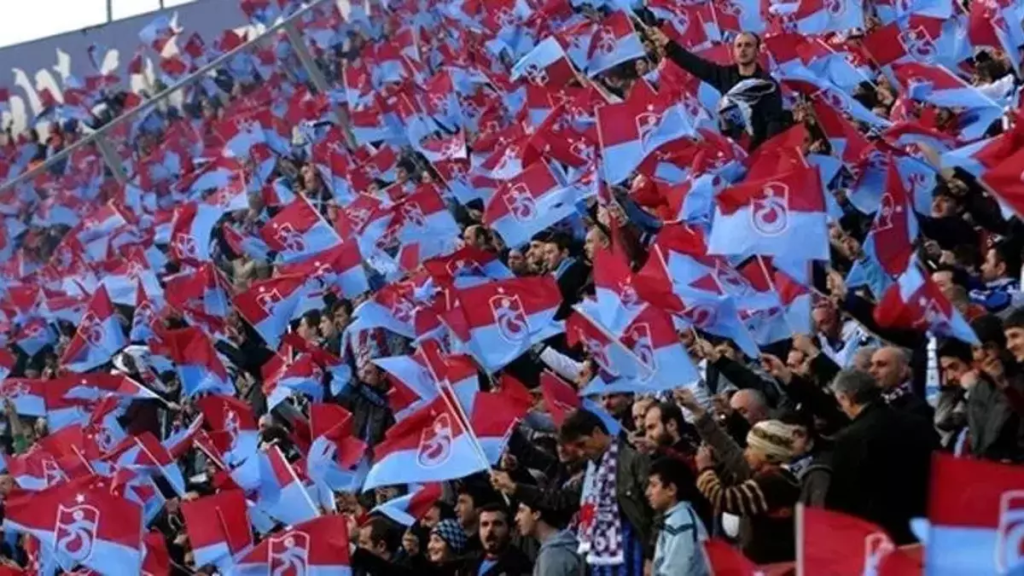
Growing up as a child in Trabzon, a city of football, the likelihood of staying away from football was low. And indeed, I couldn’t.
My childhood passed by talking about football, playing football games on the computer, sometimes playing football in the street, and later going to indoor football (halı saha) matches. That’s how we socialized. I wasn’t talented in football, but I somewhat enjoyed playing it. I liked two teams: Galatasaray, which colored our childhood, and Liverpool, to which I felt an inexplicable sympathy. So much so that even while preparing for the university entrance exam, I would take a break on weekends and check out Premier League matches. (Yes, since I wasn’t originally from Trabzon and grew up in a relatively isolated environment, I was able to remain a Galatasaray fan.)
As I grew older, my interest in football decreased. The football we argued about for hours during high school started to feel meaningless. I even pitied the time spent. When I quit playing games, my unnecessary accumulation of knowledge about teams naturally faded as well. By the time I realized Zidane had become a coach, young Ronaldo was nearing retirement.
Another factor in my decreasing interest was realizing how deeply politics was involved. As children, we didn’t think about it, and even if we heard something, we were too naïve to care. What we thought we were watching as “football” was actually more of a power struggle — politics. From the players to the fans, everything was a political battle. A manipulative environment that mixed human enthusiasm and the instinct for competition, using those emotions as raw material. Stadiums were built for spectacle, but the stands were also “designed.” People were monitored, categorized — you were allowed to love, but only in the way they wanted. And later, the new political climate in Turkey reflected even more into football. It wasn’t football anymore; people were talking politics.
Years later, when I started watching football again, it was partly nostalgia, partly missing those provocative emotions, and partly the desire to feel a sense of belonging. Football capital has grown absurdly worldwide. Turkish football was influenced by this too. With the arrival of bigger names, the quality of squads increased — at least for the big clubs. Meanwhile, Anatolian teams trying to compete began playing more enjoyable football thanks to new-generation coaches and game philosophies. Add to that project clubs like Göztepe or clubs like Samsunspor where managerial stability was achieved, and despite the constantly interrupted games, referees running to VAR for every little thing, and endless debates, my interest slowly returned. Of course, if Galatasaray hadn’t built such a competitive squad and given hope to the fans with its corporate success, I probably wouldn’t have watched again.
In recent years, I watch football very differently. I don’t watch with full attention; winning or losing doesn’t add or take away anything from my life. Accepting that football is basically a mafia game also helps me enjoy it purely as entertainment. It’s perfect for provoking rivals or satisfying the need for pointless conversation.

What interests me now is not football itself, but football culture. For example, when Galatasaray loses, even though there are only 2–3 Turkish players in the team, people say “the Turkish team lost.” Or the opposite. “We lost to the English,” “We lost to the Germans”… It’s fascinating that in such an industrialized domain, this mindset still survives. It’s a bit like international corporations. Yet football remains a cultural construct, an identity.
Trabzonspor was a city club. Being from Trabzon meant being a Trabzonspor fan. Even though football is relatively new, it had become a part of the city’s identity. Maybe that’s why I could never truly become a Trabzonspor fan — because in every environment I was more “from Ordu.” The outsider.
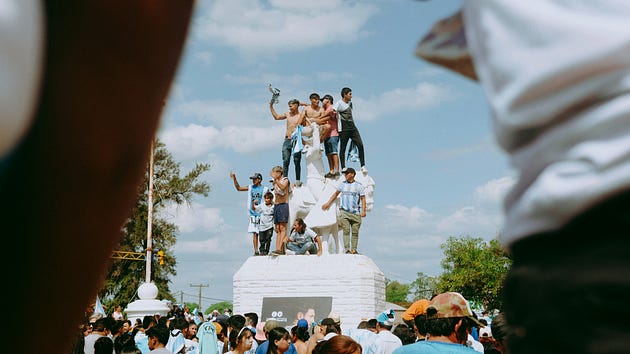
When I first went to Barcelona, I asked the tourist office what places to visit in the city. Partly because I was curious how they described the city. “Go to Camp Nou,” they said. “Tonight they will celebrate the championship.” They didn’t first mention architecture, artistic heritage, or historical struggle — they mentioned the championship. When I went, I was astonished. Beyond being a touristic activity, it was an experience on its own. More importantly, the people there weren’t celebrating a La Liga championship. They were celebrating the victory of Catalonia. Barcelona wasn’t just a football team; it was a national matter, an identity. They shouted “Visca Catalunya.” It was a rebellion against the monarchy, a show of force. The club itself is also one of the main locomotives of the economy of the city — and of the entire region of Catalonia. Imagine such a celebration in Turkey. Forget shouting “Long live…”, we would send tanks because they celebrated in their own language.
This year when I went to Bilbao, it was the same. The Basque region is not as wealthy as Catalonia. It felt like a region that survives on its own resources, thus not as confident. In Bilbao, everywhere was filled with Athletic Club Bilbao flags. For those who don’t know: Athletic Club only plays Basque players. Again, the club’s history is part of the region’s history — a symbol of the Basque struggle.
England has similar culture. Psychopathic hooligan groups on one side, singing fans on the other, and people who practically live and breathe with the team of their region.
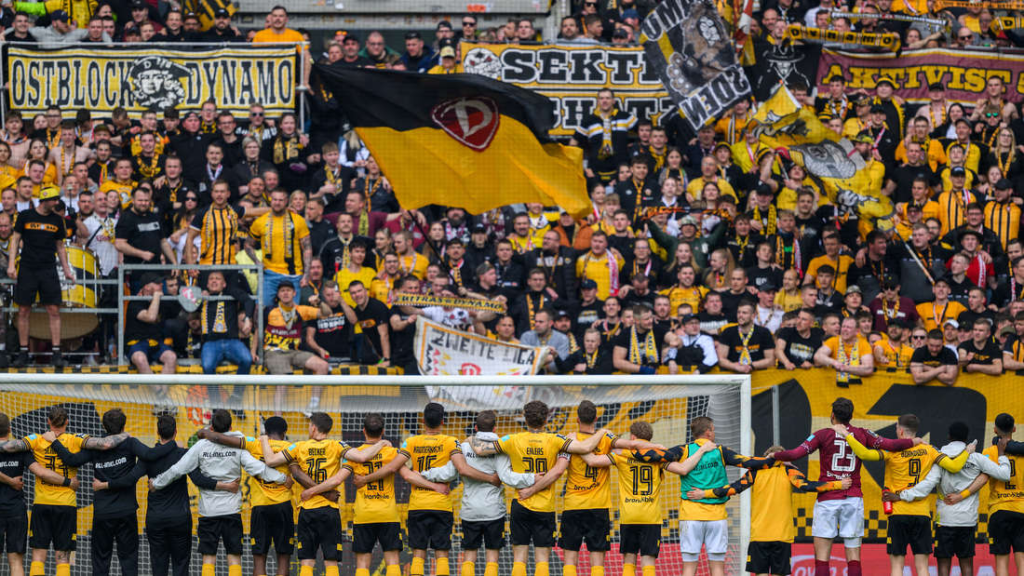
The city I live in now is Dresden. Also a football city. On match days, you see everyone coming with friends and family. Everywhere turns yellow and black. Life almost stops. Celebrations, shouting, chants echo throughout the city. When the team drops to the 3rd division, the stadium is still full; when they succeed, it is also full. For Dresdeners, being from Dresden means supporting Dynamo Dresden. They are already famous for their passionate fan groups. A passion you wouldn’t see in an average German. Other cities are similar — Frankfurt, Dortmund, etc.
Among all this, two things interest me. First, fan culture as a reflection of the city’s sociological structure. You can almost reconstruct the city’s demographic profile from its fan base. Second, the emotional explosions experienced by thousands of people.
Fan Profiles and Ideologies
Continuing with the Dresden example: their passion for the city’s team overlaps strongly with the city’s conservative profile — much like Trabzon. Those who go to the matches are mostly lower- and middle-income groups, usually people without other hobbies and living around the area. Many are closed-minded, sometimes even racist. (I don’t want to generalize, but racism often comes in the same package as hooliganism.)
Then there is Leipzig. A richer, more metropolitan and more liberal city. And this is reflected in the fan profile. RB Leipzig — Redbull’s project club — has a more liberal, higher-income fan base, mostly there for entertainment. Therefore, it doesn’t have that “city club” character. Hard to talk about a similar atmosphere.
There is also Chemie Leipzig. Leipzig is not only liberal but also one of the strongholds of left-wing ideology. Chemie Leipzig matches this profile exactly: more passionate fans, more organized, and an important part of the anti-fascist movement. Their supporters are again mostly lower- and middle-income, but instead of a conservative majority, they are a left-wing minority. Leftists who come from nearby villages and fight Nazis, as well as the most activist groups in the city. Their banners and chants reflect the struggle they’re engaged in. (A small note: in the most racist villages, leftists are a bigger enemy to the conservative majority than foreigners.)
I’m not sure if such ideological diversity exists in Turkey today. It used to, but everything was crushed. At the club level, teams compete over “who loves the government more,” and at the fan level, aside from localism and nationalism, there are barely any voices left. The rest is mafia-like structures and personal interest conflicts.
Football as a Showcase
Football is a highly patriarchal environment. That alone shows how underdeveloped our cultural landscape still is. Even women’s football is under male hegemony today. Moving from “Can women play football?” to “We also have a women’s football team” is a step, but there is still a long way to go.
Just as men’s football has turned into a runway, women’s football is also being shaped into a runway the way men want it. If you don’t know what I mean, look at players from the 1980s — compare them to today’s polished football idols.
This patriarchy overlaps with world politics too. While global culture seems to be sliding backwards, there are also teams resisting this regression. In more industrial clubs, these topics are often only used for publicity. Something as simple as wearing an LGBTQIA+ armband becomes an issue that concerns UEFA and FIFA, with penalties that can escalate all the way to tournament bans.

Emotional Eruption
Beside patriarchal thinking and intolerance toward differences, football is also, in a sense, an extremely homoerotic environment. We sit and watch 22 sweaty, muscular, groomed men. Tons of people discuss their looks, their bodies.
I’m not against homosexuality; I’m against hypocrisy. An even more “homoerotic” act is how these macho men show more affection towards footballers and teams than they show to their wives. They hug strangers when a goal is scored, tear up, and sometimes cry in each other’s arms. When 60,000 mostly men do this together, it becomes even more interesting.
Another interesting example is Mauro Icardi. Aside from the song associated with him, even his entrance into the game makes people smile. When he scores and smiles, the whole stadium sings. That song is played at weddings, people imitate Icardi’s goal celebration. Many people haven’t shown this level of affection to their spouse, child, or partner.
Joking aside, people who cannot laugh, cry, scream, or express anger in daily life come together and express all these emotions brutally, transforming the environment into a shared emotional ritual.
Sharing this joy with your spouse, friend, or sibling is one thing, but seeing the same emotional eruption happen all over the world, seeing football adopted as identity, pride, and belonging everywhere, is strange. I associate this with education and cultural levels, and also whether people have anything else in their lives. And partly with repressed emotions finally becoming normal feelings when shared with thousands.
In a sense, football identity becomes a refuge for those who cannot find a place for themselves in life. A space where primal impulses aren’t suppressed. Beyond that, of course, we also need pointless activities that won’t affect our lives — to satisfy our dopamine hunger.
Manipulation
Politics, profit, power struggles, mafia structures — and the most primal emotions… This is exactly what makes football so open to manipulation. It is also what makes it such an effective propaganda tool. Because football can reach even the most unreachable hearts and steer crowds. Could Turkey’s biggest issue really be a Galatasaray–Fenerbahçe derby? Or what a footballer posts on social media?
The situation is the same everywhere in the world. In more developed countries it’s slightly different because clubs are more institutional; even if they have political meanings or identities, they are more independent from politics.
Historically, there are countless examples of how governments used football, and how national teams became tools of morale and identity. Whether national teams or clubs, when things go well, governments take credit. Mutual interest becomes the primary relationship. Direct confrontation is rarely possible, especially under authoritarian regimes. And sponsorship systems make the whole thing even more complex. It’s natural that attractive teams attract more sponsors, but in corrupt environments sponsorship itself becomes a different story. Turkish football begins to resemble South American leagues. As corruption increases, the number of sponsor logos on jerseys increases too.
When corruption and cheating become unmanageable, we end up with a situation similar to our league. Referees, federations, and other power centers are blamed — just as governments deflect criticism onto others. If you listen to all statements and accusations carefully, you realize it’s not about football at all. Listen to the latest Fenerbahçe congress speech. Full of veiled threats. Many clubs also make statements along the lines of “If we talk, the world will shake.” On one side escalating tension, on another fans who don’t understand the connections, and on another political developments that are related but appear irrelevant because attention is on football. When you look at the individuals involved, it’s a network of relations the average fan could never comprehend.
This is football — but for fans, it’s simply the outlet for emotions they cannot express elsewhere, and when they can’t make sense of things, they direct their anger at false enemies. That’s why I enjoy European matches more. Football in developed countries operates with different dynamics — more like corporate warfare. The stakes are so high that direct political interference is harder. Corruption is usually the main storyline.
There are also other examples:
1978 World Cup, Argentina
The harshest period of the military dictatorship. Thousands missing, thousands tortured. The regime used the tournament to say “Everything is normal here.” When the country won, celebrations washed away the pain — like a carpet thrown over suffering.
1934 and 1938 World Cups, Italy
One hosted in Italy, one in France. Italy won both. As you might guess, they became centers of fascist propaganda. Symbols of national power. Plenty of fascist salutes under the guise of Roman pride.
Brazil’s Bolsonaro
The military-rooted conservative leader was known for his closeness to clubs and star players. With players posting messages of support, he influenced society even further.
Dynamo Kyiv and Spartak Moscow
Both symbolic ideological teams of the Soviet Union. Even today they retain similar identities.
You probably noticed how close these examples feel to our own football culture — from displays of national strength to players publicly declaring support for political figures.
Clubs’ attitudes become loyalty tests. Those who oppose today may be on the other side tomorrow, and vice versa. This is why governments and municipalities are so involved in football. Hours-long football debates in media and the huge flow of money serve as a nice curtain to push other issues into the background. Think of the Turkish economy — now think of how much transfer news filled the public agenda this year. For an emotional nation like ours, this is an extremely effective method.
This is why states, politicians, business people, and media owners invest in football. They say football should stay on the field, but in reality, 80% of football happens off the field. Appearing within football is like infiltrating even the coldest hearts — if you can play this strategic game well. Otherwise, the opposite is also possible.
Strangely, people get angry at family, at work, at the government — they sever all sorts of ties — but they cannot sever their tie with football. Even though they get nothing in return. Think about how valuable such a loyal audience is for a politician.
In the end, football is not just a game; it is an incredible experiment in social engineering. Forcing electronic ticketing systems to categorize people, designing entire stands after a single whistle — the reason is exactly this. Because if you fail to control it, a revolution could even be sparked. I honestly can’t think of any other place where you can gather so many people at once.
Despite everything, football is enjoyable. Knowing all this somehow makes it even more enjoyable for me. I don’t think there’s a “play” on the field either. Like everything else in today’s world, what we watch is a show — a showcase placed in front of all the dirt behind it.
 bahadirhancicek
Leave a comment