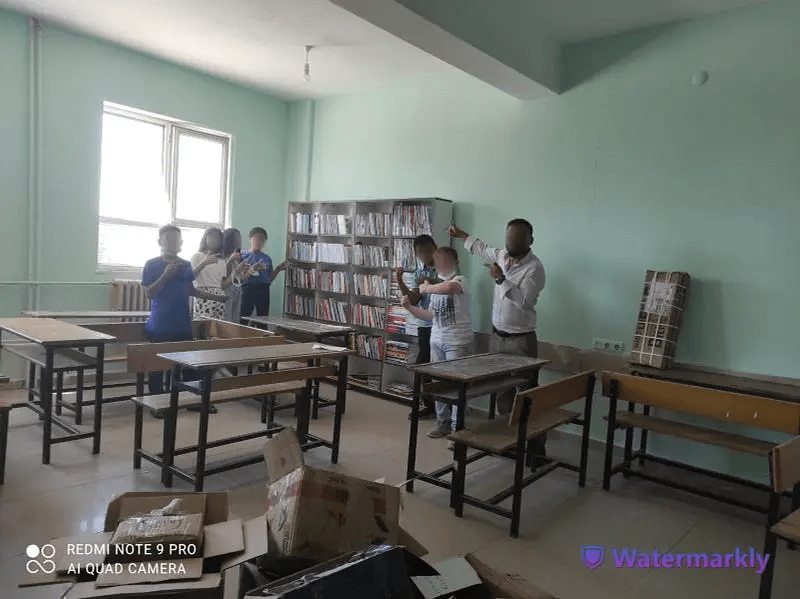
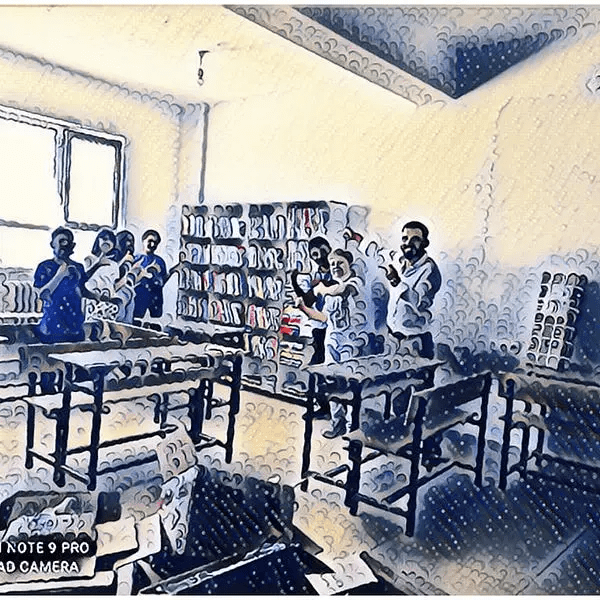
In 2021, I used my birthday as an excuse to start a small aid campaign. Together with friends, we donated books to a village school in Mardin, Turkey. It was the beginning of my small gestures time to time.
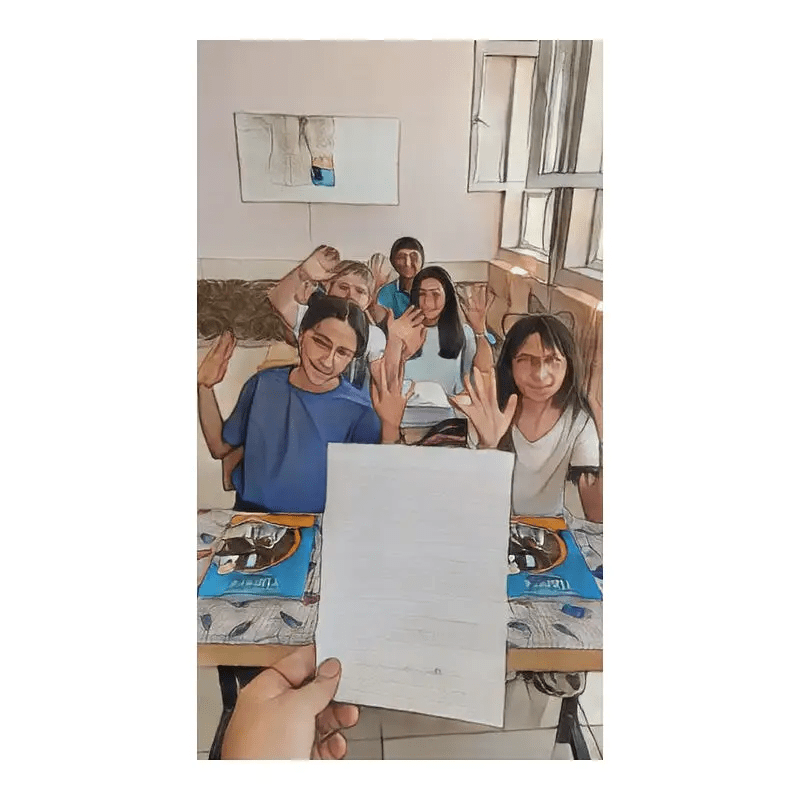
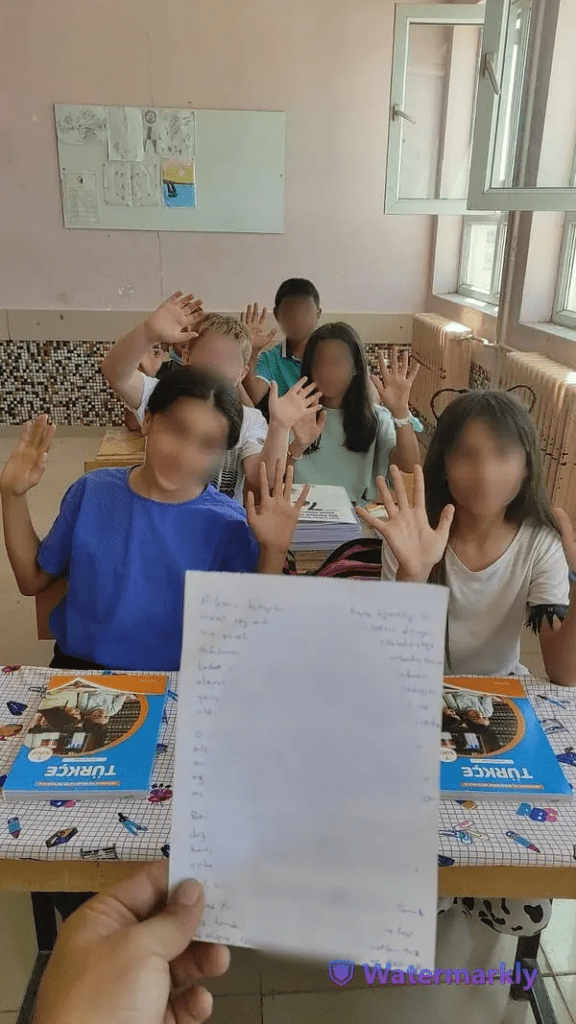
Our motivation was justice. Not every child was as lucky as we were. Not every child could access everything they wanted. Not every child could even dare to want more. In fact, they couldn’t even dream with the same freedom. They thought some things would never happen, no matter how much they wanted them.
When I saw how happy they were receiving the books we and others had sent to their school, I felt both emotional and ashamed.
I was ashamed because, in the hustle of daily life, we forget how unjust the world is. But I was also happy that we were able to somewhat reduce their disadvantage and turn it into a slight advantage. I wish we could help every child, nurture their dreams. I wish we could provide them with equal opportunities…
The purpose of writing this post is to remind us how fortunate we are and to help you realize how even the smallest gesture can make a difference. The more people make an effort, the more children’s worlds we can change. It may sound naïve, but this is the only way we can make the world a better place. We can use the effort, attention, dedication, and money we spend on unnecessary things for something truly meaningful.
Now, let’s talk a bit about statistics. The kind of statistics we don’t see on TV, don’t talk about, but are shocked and outraged by their consequences.
828 million people in the world are struggling with hunger. They can barely manage even one meal a day. 690 million people cannot access the nutrients required for a normal and active life.
258 million children cannot continue their education and cannot attend school regularly due to hunger, war, or lack of resources. 600 million children lack basic reading, writing, and math skills. Because they don’t have access to schools, classrooms, or learning environments. When these children grow up, they are ridiculed as mentally deficient, labeled as criminals, or work just for food. Imagining another life is nearly impossible for them. A few might break out and become footballers, athletes, or singers. But most of them have no such success story.
1 billion people are fighting tropical diseases like dengue fever, leprosy, or Chagas disease. I’m sure the images you’ll find when you Google these will disturb you—but they are the harsh realities of the world.
36.9 million people are living with HIV and AIDS.
Every year, 10 million people are diagnosed with tuberculosis, and 1 million die from it. 384 million people suffer from severe lung conditions.
9% of the world lives in poverty. About 700 million people live on less than $1.90 a day. While we complain about the avocado on our plate or the rising food prices, or pout because of a missed promotion or raise, someone else is trying to feed their family with a single dollar a day.
2.2 billion people cannot access safe drinking water. 4.4 billion people can’t find water even for basic hygiene. That’s half the world’s population. Think of how lucky you are the next time you let the water run in the shower.
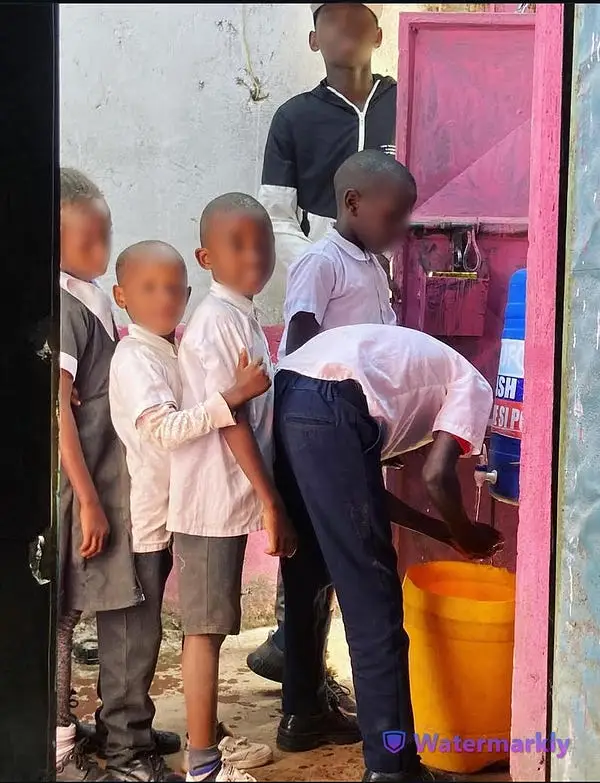
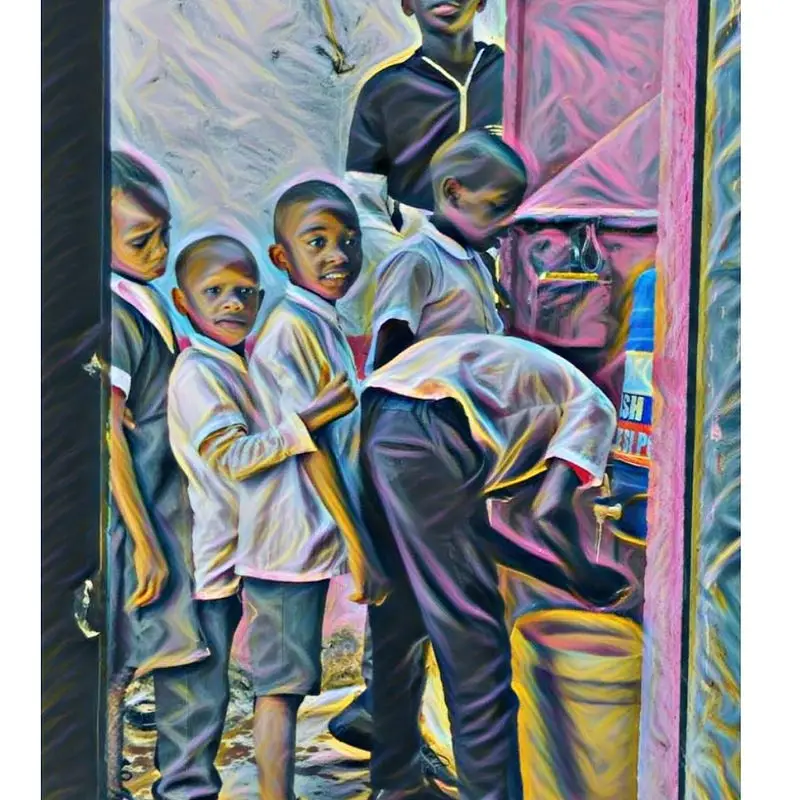
Photos are from the Instagram page of https://lutss.org/en/home/ (seems link is that, probably NGO couldn’t survive any further)
789 million people in the world have no access to electricity.
160 million children are forced to work at a young age. Half of them work in jobs that pose life-threatening risks.
84 million people—the population of Turkey—have been forcibly displaced. Of these, 24 million are refugees. The people we complain about and see as disturbing our comfort make up only one-third of the displaced population. While we sit comfortably in our homes with the air conditioning on, watching the news and making judgments, most of these people are grappling with disease, hunger, longing for the lands they were forced to leave, or trying to build a new life in places that do not accept them.
Globally, there are 160 million orphaned children. 15 million have lost both parents. 61 million have lost only their fathers, and 31 million only their mothers. The vast majority of these children struggle with hunger and have no access to basic education and healthcare.
152 million children under the age of 16 are working in hard labor.
The situation in Turkey isn’t much better. Around 800,000 children under the age of 17 are part of the labor force. Most work on the streets, in fields, or in small industrial areas. They also face psychological, educational, and physical challenges.
Even though access to education in Turkey seems good on paper, many children are deprived due to socio-economic conditions—especially refugee children.
Despite the availability and accessibility of healthcare in Turkey, there are still families and children battling malnutrition. Although many children are vaccinated, a considerable number still suffer from preventable diseases. You’ve likely seen these issues on TV at levels that are far from negligible.
Equal opportunity is a subject I care deeply about. When I read stories of people who come from tough circumstances and make global headlines, I don’t say “wow.” I think of the majority who never get that chance. If we could just realize how lucky we are, we might be able to change so many lives.
Let me share a few profiles from a school in Africa I’ve supported—without names or images. (This isn’t about ego or showmanship, just an example I’ve closely followed.)
The organization I support was founded in Berlin by two travelers who had visited Africa. They decided to offer educational support. In addition to providing food and financial aid to children, they build schools and equip classrooms. Donors support a specific child—either for the duration of their education or for a shorter term.
When I say “school,” don’t think of schools like ours. The floors are usually dirt. If there are desks, 10 children share one. They are huts, really. Anyway, back to the children’s life stories.
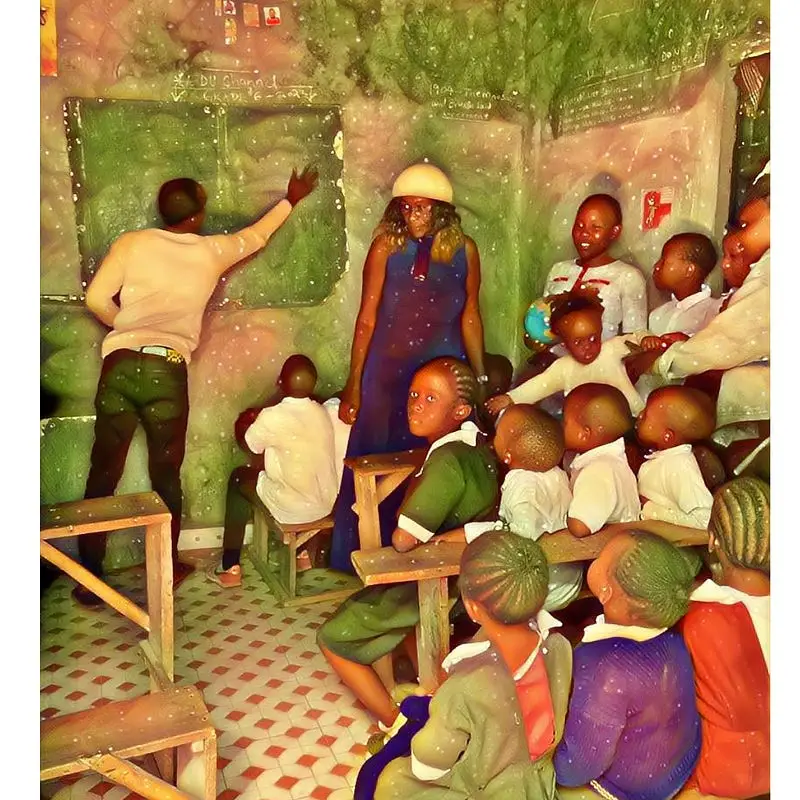
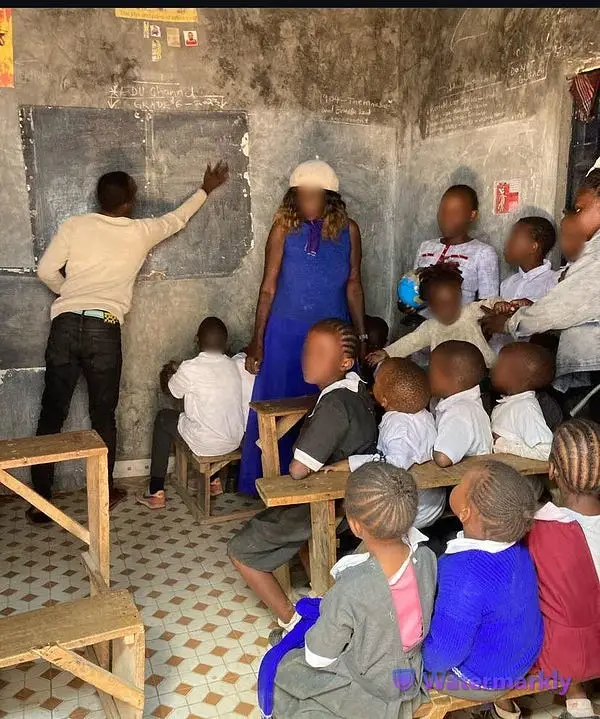
Most of the children have lost either one or both parents. Those who do have parents are financially powerless. Some collect garbage, others are unemployed. Their monthly income ranges from €2.50 to €15. The guardians of these children—parents, uncles, aunts—often dropped out of school due to poverty. And now their children face the same fate. The organization tries to save as many as it can. The children I’m informed about range from 3 to 10 years old.
Most of them don’t live in proper housing. Some stay in huts owned by their families if they’re lucky, while others live in shared shelters or on the streets—because their families couldn’t pay rent, or they were orphaned, or they never had a home of their own.
Many of them don’t even have a mattress, not even a thin one.
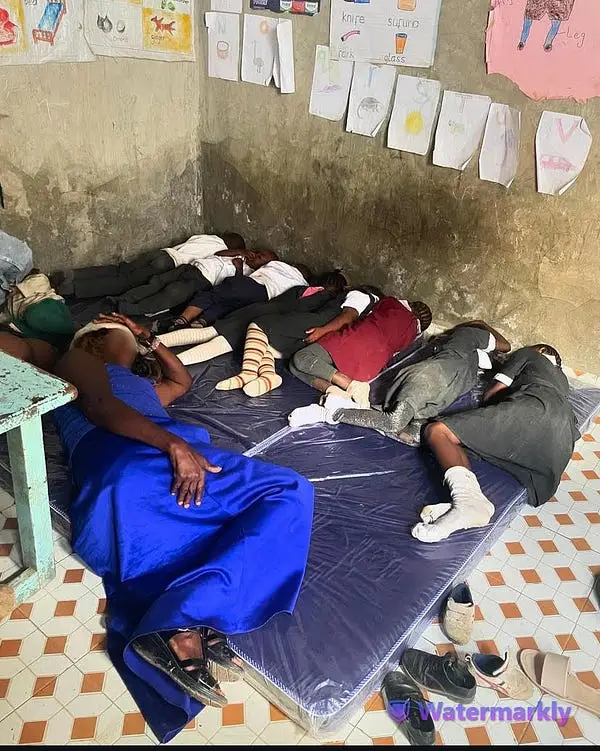
None of them eat regularly. Sometimes just one meal a day, sometimes none at all.
Most of them are born sick, or have sick siblings or family members. Some have chronic asthma, holes in their hearts, lung infections, or vision problems. Some are partially paralyzed for various reasons. Those with no diagnosed condition frequently suffer from colds and illness. And how could they not?
There are millions, maybe billions like them, but we neither hear nor see them. While we pay attention to bad news that affects our own comfort zones, we turn a blind eye to unpleasant realities like these. Would it be so bad if we became a little more aware, gave a little help, or at least thought about how we could help? Would it be so bad if we stopped blaming people whose lives were diverted by injustice and instead tried to understand that injustice and empathize?
I hope that reading this has sparked a small flame in you. You can’t imagine what that flame might ignite. But that flame could change and save many lives.
Note: There are dozens of NGOs fighting social injustice. But even without them, I’m sure there are many people around you who could use your support. You could start by simply asking local schools. Still, if you don’t know where to begin and want to support something beyond Turkey, feel free to comment and reach out.
 bahadirhancicek
Leave a comment