

What Would a Tree Say Success Is?
What would a tree say if you asked it what success means?
What if you asked a stray dog about its biggest dream?
Do you think racehorses even realize when they’ve won a race?

I often wonder: what does “success” mean to nature? Probably just surviving, reproducing, bearing fruit. Then why are we constantly racing? How did our survival instincts morph into this anxiety-inducing competition?
Something that recently caught my attention is the psychological divide among nations: the mindset of developed, developing, and underdeveloped countries. Oddly enough, people in both developed and underdeveloped countries share a common trait — they are content with what they have. One finds peace because they’ve met all basic needs and are nearing the top of Maslow’s pyramid. The other because life has handed them every possible challenge, and simply staying alive has made every little thing more valuable. Both are present in the now.
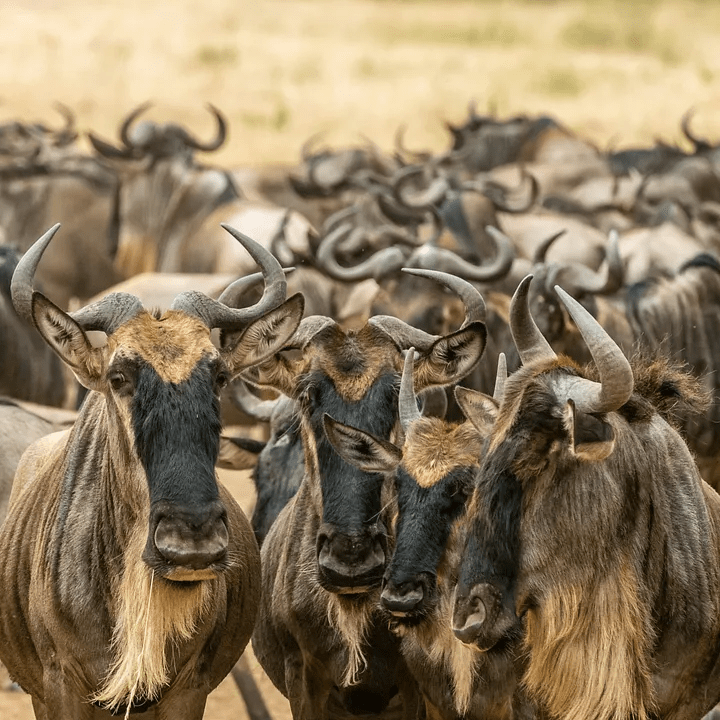
Nature is no different. There is, of course, a struggle to survive — predators and prey, competition to reach food or water. But that’s the only race. If there were abundant resources everywhere, many animals wouldn’t even migrate. So, what’s our problem?
When I look at citizens of developing nations, I often see a toxic race — more money, more possessions, better everything. Even their families are built on this mindset. Not necessarily more children, but more successful children. Children expected to compensate for everything their parents couldn’t do. And ironically, many of these parents don’t even spend quality time with them.
Conversations with expats often reveal the same: endless material comparisons, goal-chasing, and consumption — not just material, but emotional, psychological, even spiritual.

How did we get here? Why do we have to run?
Some say it’s the economy or standards of living. But it’s as if we’ve declared ourselves a failed country. Even if that were true, would it justify this exhausting race?
Why do we have to succeed? What are we even trying to succeed at? Why must we be productivity-obsessed? Why isn’t what we already have enough? Why are we missing the present — constantly jumping between the past and future?
I’ve read countless psychology journals, blog posts, social media quotes — spoken to many people. Most are lost in life. Many feel depressed because they believe they’re “failing.” Many don’t know what they want or expect from life. Their dreams and realities are miles apart. And they feel miserable for not achieving those dreams, as if happiness were something they failed to earn. Is this normal?
A small change in mindset allows you to overcome many challenges. However, the environment you live in is hard to overcome. The information and content you absorb all the time don’t let you change it.
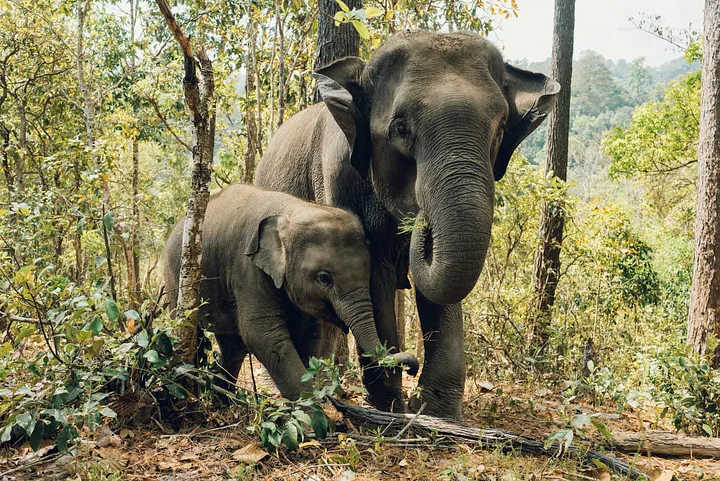
Is there any real chance of happiness if you’re always chasing more?
No. Because there will always be more. A better job, more money, more success, stronger faith, happier relationships, smarter kids, more accomplished friends… We’re drowning in the very definitions we’ve created. It’s like we’re trapped in a well, slowly filling it with water — with our own hands. The key to escape is in our pocket. We even have control of the water valve. But we keep turning it on and forgetting we can stop it.
But nature doesn’t work that way. Nature is still. It doesn’t worry about tomorrow. It lives in the now, doing what needs to be done: birth, growth, life, and death. If there’s one thing that sets us apart from this cycle, it’s our ability to remain present while growing — to wonder, learn, understand, enjoy. You can’t achieve that by constantly comparing or fitting into predefined molds.
If we’re racehorses, we should behave like them — not by obsessing over first place, but by running, and feeling the freedom that comes with it. While feeling the strain of movement, we should relish the rhythm of our breath. If our goal is to feed ourselves and fulfill responsibilities, we should understand and enjoy the process. A promotion shouldn’t be just about more money — it should be about doing work we’re passionate about and making the most of the rewards.
That’s what I believe success is. Not the titles that feed our ego or material expectations. Otherwise, how are we different from sex workers? If what they do for money is deemed immoral or wrong, then are the mental gymnastics we do for a paycheck really any better?

When a child says, “I’m ugly,” it hurts me. I want to say, “You’re not ugly, it’s the world that’s ugly for forcing you into a mold.” And when an adult says it, I ask: Can you define what ugly or beautiful even means? What about right or wrong, good or bad? Is it “right” to be like everyone else? To blend in and lose your uniqueness? To shape-shift just to meet expectations and become someone you’re not?
Yes, life is a massive play where everyone plays a role. But the life you breathe into that role is yours. The closer your role aligns with your true self, the more fulfillment you’ll experience.
So take time to reflect deeply on this:
What is success?
What is happiness?
What is beauty?
What is goodness?
What is failure?
And remember: the definition belongs to you — not to society, not to social norms, not to anyone else.
 bahadirhancicek
Leave a comment