

We’ve arrived at the heart of the action—the part the team loves the most: the execution phase. This is where confidence runs high and everyone starts working based on a shared understanding.
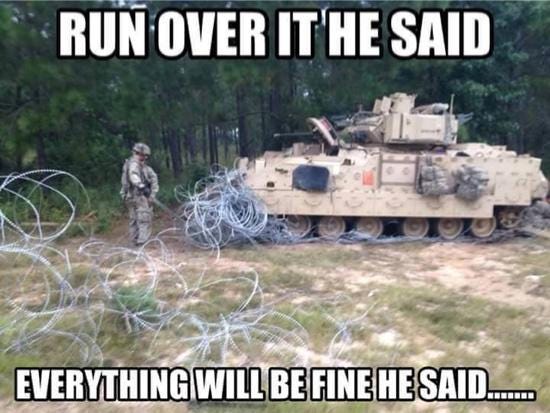
For the project manager, this stage is both satisfying and, frankly, a bit painful. The joy lies in seeing the plan finally come to life. If the planning was solid, this phase starts off smoothly. If it wasn’t… well, time to draw your sword and charge the front lines.
Assign the Archers, Not the Swords
In any attack plan, the most critical element is clear role distribution. Everyone should understand their scope and responsibilities, and act on a shared vision. If you tell archers to swing swords, or keep elite soldiers in the back while the battle rages—well, you’ve already lost.
Control Without Breathing Down Necks
As mentioned before, the frequency of control checks depends on the project type. Time, budget, goals, resource use and allocation—all benefit from regular monitoring. But here’s the trick: you must manage without feeling like you’re managing.
Hover over people like a schoolteacher during an exam, and suddenly no one remembers how to write. No matter how experienced or mature, that inner child still gets nervous under scrutiny.
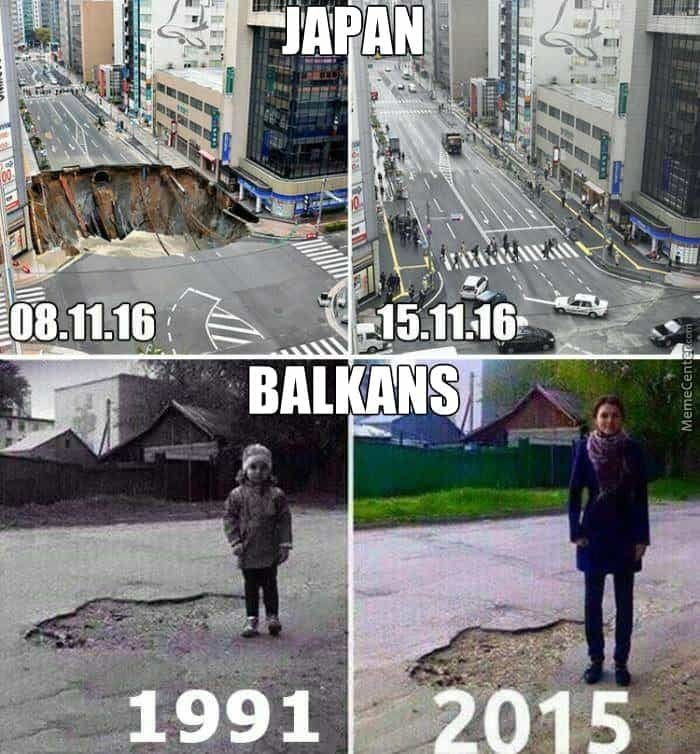
This is where risk begins. Over-controlling can turn small problems into major ones. But under-controlling—trusting blindly because “they’re experienced, confident, they’ll figure it out”—can lead to disaster. Sometimes, that ignored risk explodes like a nuclear bomb.
Managing risk and how you check progress is up to you and the nature of your project. Newcomers often expect textbook answers for every issue. Pro tip: don’t just copy and paste someone else’s solutions.
Source: sofiaadventures.com
Professional Babysitting, Basically
Yes, that’s the job. When you face an unexpected issue, take a deep breath and ask yourself:
- Why did this happen?
- How did it happen?
- What’s the impact?
- How urgent is it?
- How can I solve it?
- What are my alternatives?
Answer all that—sometimes in a second—and come up with a solution, even if it sounds ridiculous at first.
This isn’t a hospital and no one’s on life support—but your timing does affect the lives of everyone on the project. A delayed decision might cost precious time later. It might stress you out. That stress could weaken your immune system, lead to cancer… and well, you get the point. Maybe even get hit by a car on your way back from firefighting an issue. Or fail to finish in time and let a meteor crash into Earth.
Make decisions fast, but not thoughtlessly.
You’re Not a Superhero. Stop Acting Like One.
Some people hear “project leader” or “manager” and grow a massive ego. Bad news: nobody cares. You’re not saving the world. Your title? Just a made-up label.
So when communicating with others, don’t act like you’re superior. Just do the work. No need for extra drama.
Source: missinformationblog.com
Communication is 80% of Project Management
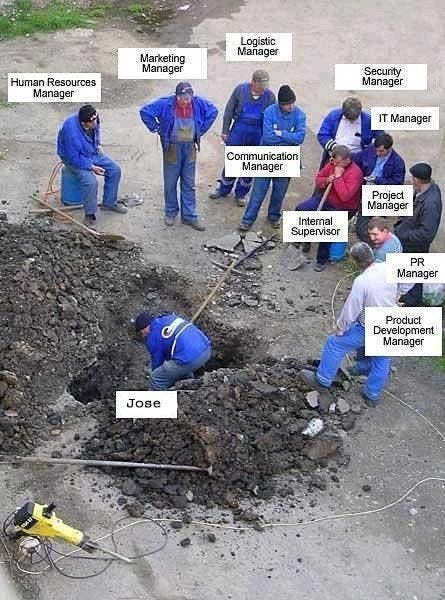
Even a couple hours of chit-chat in the morning can save the day—or at least relieve stress and make work bearable. You don’t need to track projects with just formal updates.
And when people cry at work, when trusted teammates disappoint, when egos clash—don’t take it personally. Being emotionally resilient is key. (I’ve probably said “this is key” five times, but hey, it really is.)
Communication is not always easy. Much of it happens verbally. A lot gets forgotten. People understand things differently. They miss urgency. Some love to talk, others don’t. Some shine in group discussions, others are better one-on-one. Some excel in aerial balls—wait, sorry, football brain activated.
The point: To communicate effectively, you must not only find common ground but also understand individual personalities. Empathy matters. Don’t bury people under meetings and interrogations.
Let’s Talk About Meetings
Some managers love meetings. “Let’s meet, let’s discuss, let’s debate!”
Sometimes the project manager becomes the guy who always wants to talk. That’s not true. In my view, meetings often kill productivity and motivation—but occasionally, they are necessary.
Other Crucial Points: Change Management and Quality Control
Time, Budget, and Scope—those are the holy trinity of project management. Add quality in the middle, and we just beat the Illuminati’s evil master plan.
Scope creep is real. People change. Technology changes. Market conditions shift. Prices fluctuate. Competition gets tougher. And when stakeholders all have different opinions, things can get noisy. If you get swept away, you might aim for the moon and end up in… rural nowhere.
That’s when a strong project leader must shout, “Hey! We were going to the Moon! How did we end up in Yozgat?!”
But if the space agency relocated to Yozgat, well—you’d better adjust your plans. That’s change management.
Ask:
- Is the change necessary?
- Why Yozgat?
- How does this affect the project?
- What’s the cost of switching course?
- Does it add value?
- Is Yozgat closer to the Moon?
Once these are answered, approve or reject the change—and document it.
Quality Management: The Real Reality Check
This one’s simpler. Just ask:
- Do results meet expectations?
- Are we hitting the right standards?
- Are there improvement areas?
- Are processes clear, transparent, and being followed?
 bahadirhancicek
Leave a comment