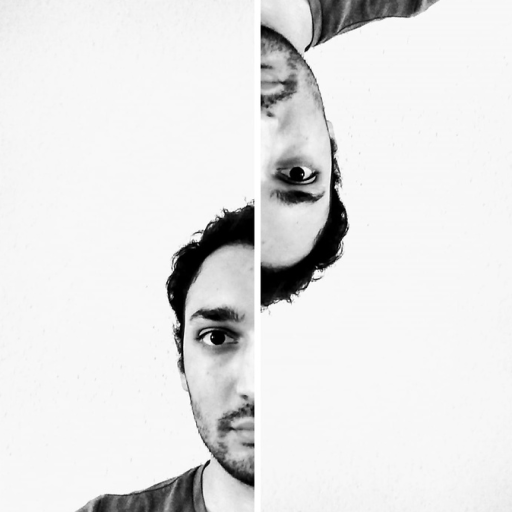

The Final Step in the Journey of Self-Discovery
We have now reached the final step of our journey of self-discovery.
Until today, we have reflected on how we feel about different subjects, what we do, analyzed ourselves extensively, and identified what is going right or wrong in our lives.
We have tried not only to understand why things went wrong, but also why they went right.
Rather than drifting along with the flow of life or struggling against the wind, we have aimed to use the wind to our advantage.
In this final section, we will decide where we want the wind to take us and how we will harness it.
Today’s questions:
- Where do you see your career in the next two years, and how much effective work is needed to get there?
- Based on what you have discovered about yourself so far, what three areas would you like to develop in the coming years?
- When you think about the future, what emotions arise?
- What strategies do you plan to adopt to cope with the uncertainty of the future?
Personally, I find it a bit absurd to ask myself the classic interview question: “Where do you see yourself in two years?”
Looking back over the years, I’ve realized that two years can seem both very short and impossibly long — unpredictable.
So, my approach to this question becomes more about whether I have a goal in my career.
What are these goals? Have I developed a system to reach them?
Since this section is also about work, we have already asked ourselves similar questions before.
Not knowing exactly where you will be in two years is normal — but if your aim is to improve your life and encounter new opportunities, then stepping out of routine, setting goals, and working toward them is important.
Otherwise, even if you do nothing “new,” simply repeating the same work leads to what we call experience.
But experience, in reality, means you think less while doing the same thing.
In one sense that’s useful, but in another, it can be an ideal way to waste time.
The choice is yours.
In earlier sections, we discovered many things about ourselves.
Now, like setting career goals, we must learn to apply those discoveries correctly.
That’s exactly what the second question invites us to reflect on:
- What are your most fundamental findings about yourself?
- What do you want to change, develop, or achieve?
When thinking about the future, inevitably many things remain uncertain.
In fact, this uncertainty has probably been one of the biggest challenges in my own life — something that has most affected me and even pushed me into periods of deep anxiety.
So when thinking about the future, it’s perfectly natural to feel emotions like helplessness, stress, hesitation, fear, or even excessive excitement and daydreaming due to uncertainty.
The goal here is not to eliminate those emotions — but to embrace them and prevent them from becoming obstacles to our goals and dreams.
Therefore, it’s essential to think carefully and define appropriate strategies.
For example, my own strategy has generally been to stay focused on the present, keep myself occupied with music or things that are new and challenging for me, and when I feel stressed, try something completely new.
In summary:
This final section is about finding clarity as we move forward — recognizing what we’ve learned about ourselves and how we can translate that into growth, while also navigating uncertainty without allowing it to hold us back.
Good luck using the wind in your favor!
 bahadirhancicek
Leave a comment