3.Gün
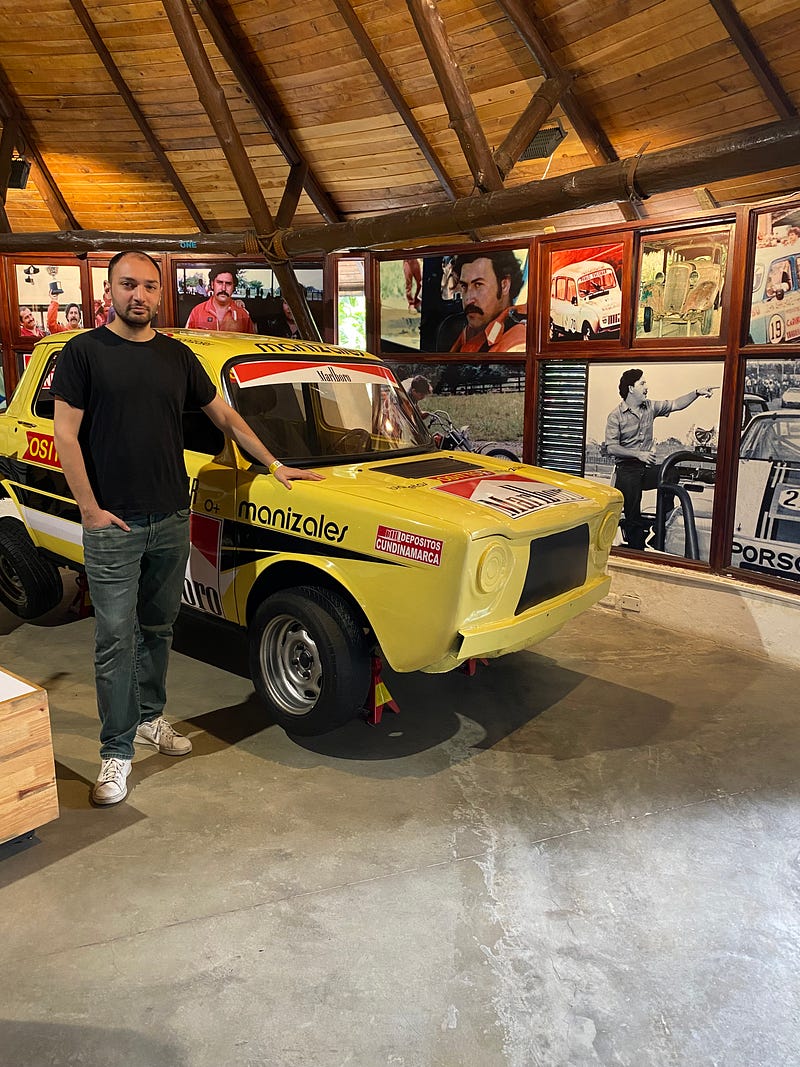
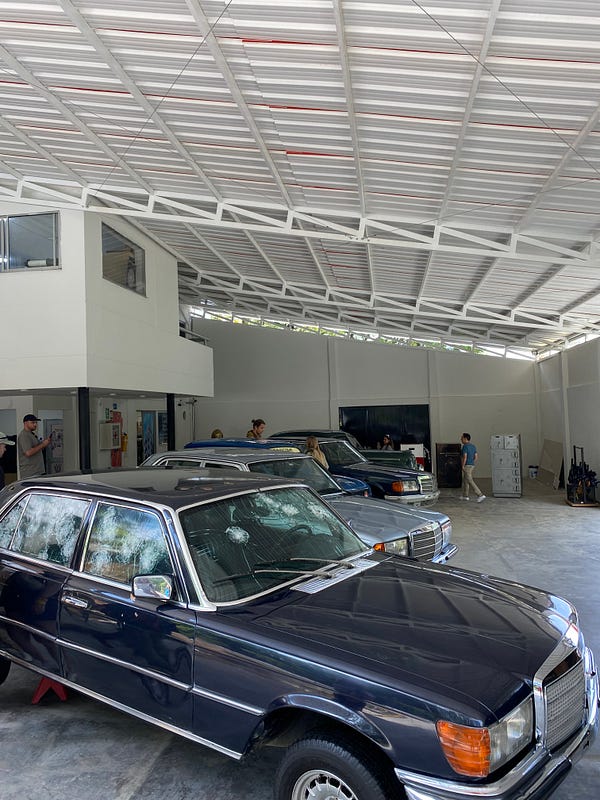
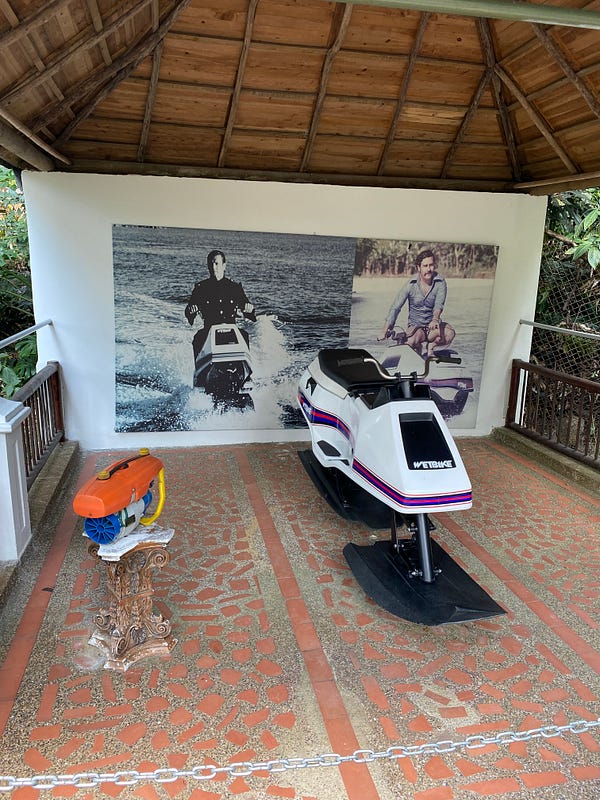
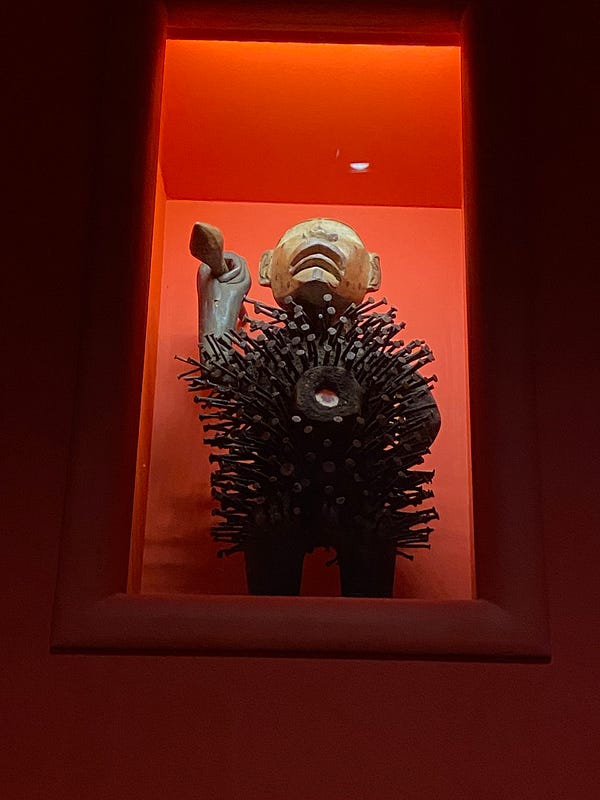
We started our third day in Medellín with a visit to the Escobar Museum.
A traveler we met at our hostel said he wouldn’t visit the museum out of respect for the local people, and that he wouldn’t spend money there. I don’t quite see it that way.
The topic of Escobar is a major taboo in Medellín and across Colombia.
No one really wants to talk about it, nor do they want to see tourists wearing hats and T-shirts with Escobar’s face printed on them.
Colombia is much more than cocaine and Escobar.
What intrigued me wasn’t just the general public’s attitude but the personal, individual perspectives:
Many Medellín residents became homeowners thanks to Escobar’s programs, but almost everyone also knew someone who had been a victim of his violence.
To some, he’s a Robin Hood; to others, a monster who nearly destroyed the country.
Sadly, even “victim” or “monster” seem like inadequate words.
When we watch, listen, or read about that era, we overlook the many “insignificant” lives lost along the way.
Because we don’t know how they lived or what they endured, it’s too easy to gloss over their suffering with simple words.
Reportedly, Escobar had faded from public conversation for years — until Narcos became popular.
That show sparked a new wave of “Escobar tourism,” leading to tours and memorabilia dedicated to everywhere he had been.
The museum itself was founded and funded by Escobar’s nephew. Once it became popular, it evolved from a small, informal place into a preferred tourist stop.
What I found most striking was the clear affection many people in the museum had for Escobar.
Some visitors strolled around almost like fanboys, while the guides openly expressed their respect and admiration for him.
On earlier tours I’d taken elsewhere, his name wasn’t even mentioned — “you know who he was,” they’d say.
Here, his name was spoken with pride.
The guide who led us occasionally got emotional — his eyes would sparkle when recounting Escobar’s escape routes and grow misty when describing his death.
Overall, the museum was overpriced and poor in terms of content — but listening to the stories and seeing the artifacts and tools used back then made the visit worthwhile.
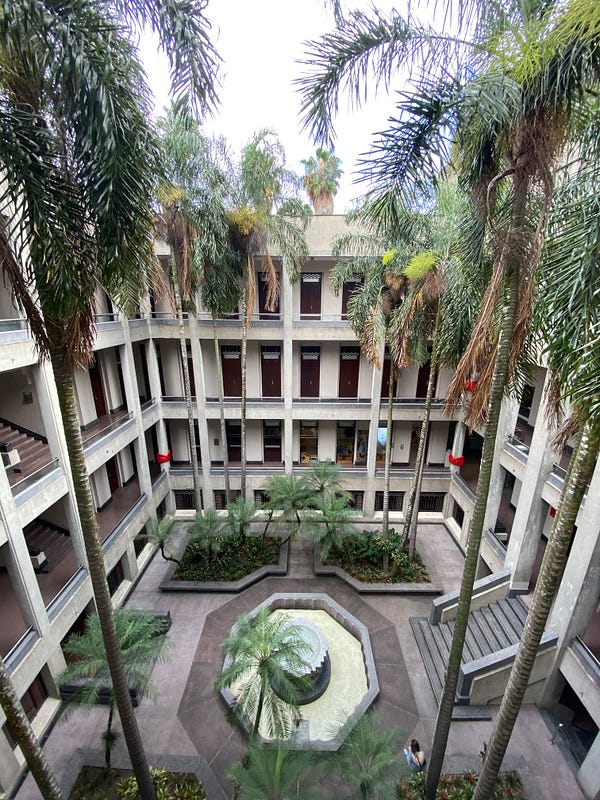
In the afternoon, we visited the Museo de Antioquia.
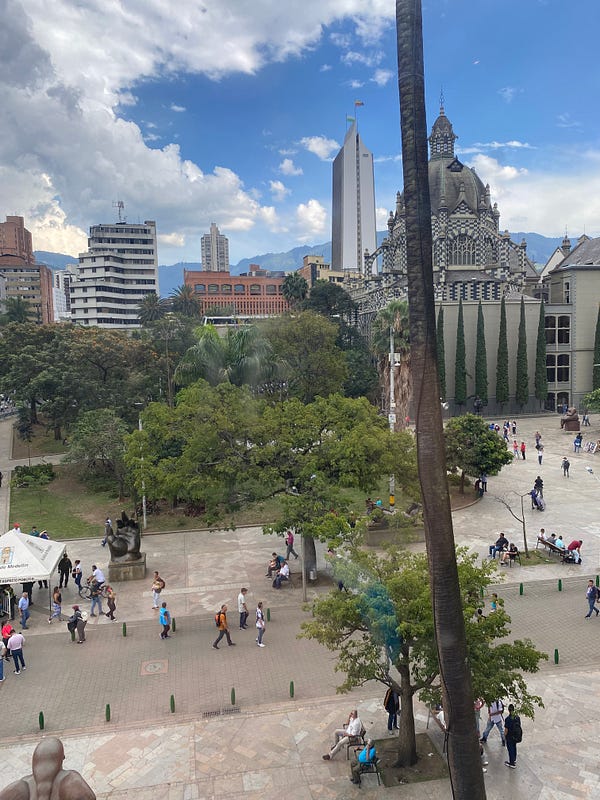
Just as Botero’s plump statues dominate the square outside, his works fill much of the museum inside too.
But there’s much more: a wide-ranging collection featuring artists like Matisse, Ernst, and Picasso.
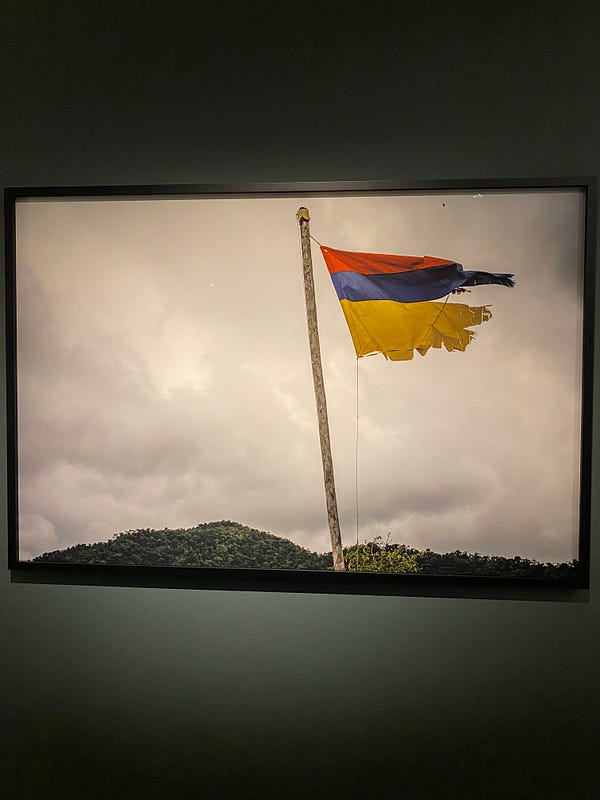
The museum also included many exhibits about Colombian and Medellín history, plus a modern art section that was really worth seeing.
Maybe I found it so impressive because we’d just come from the underwhelming Escobar Museum — or maybe it really was just a great museum.
At the end of the day, we met up with an English traveler from the hostel.
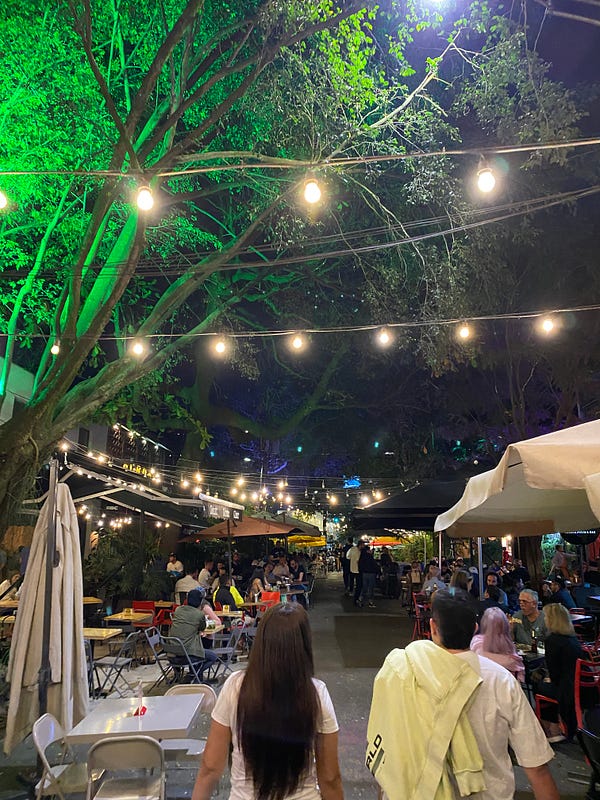
First, we explored the city’s bar street, then moved on to a tucked-away local bar far from the crowds.
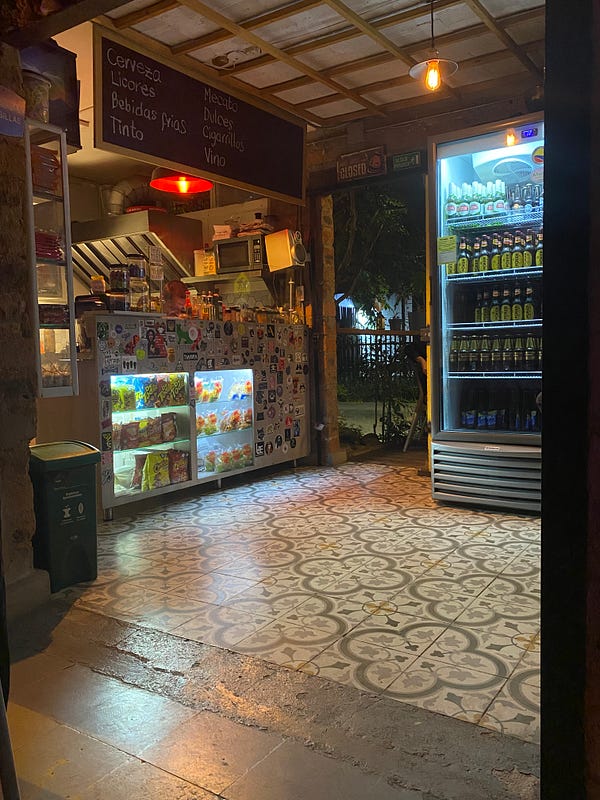
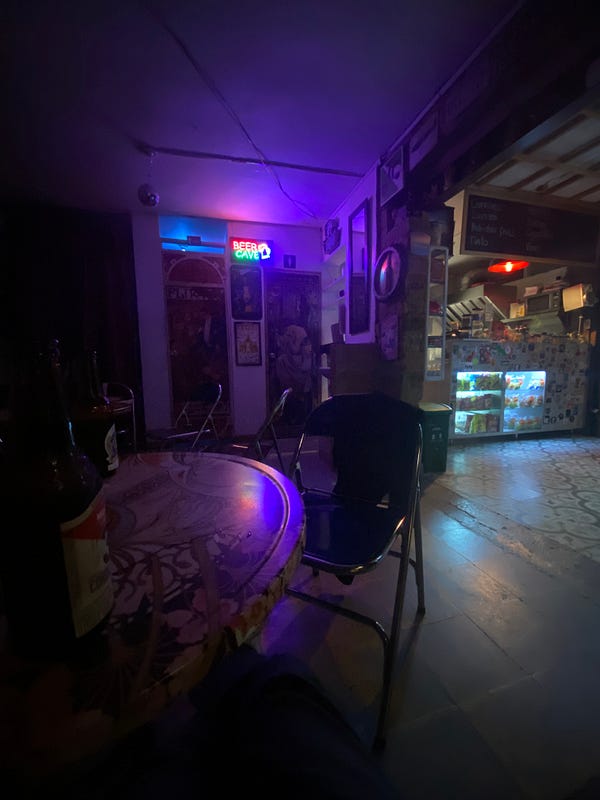
This local bar felt like a cross between a convenience store, an old neighborhood shop, and a liquor store:
simple wooden chairs and tables outside, two walls lined with alcohol fridges inside, and a small counter serving sandwiches and snacks.
It had an authentic, charming vibe — very Medellín.

4.Gün
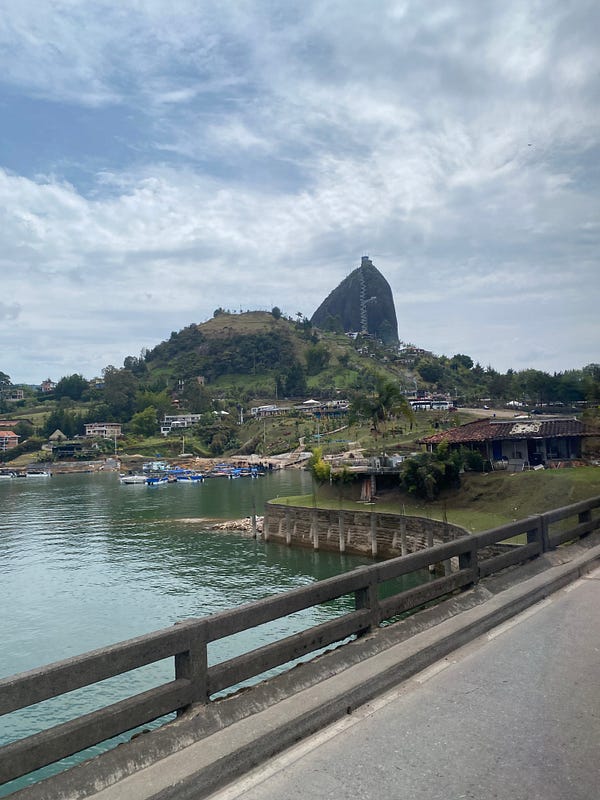
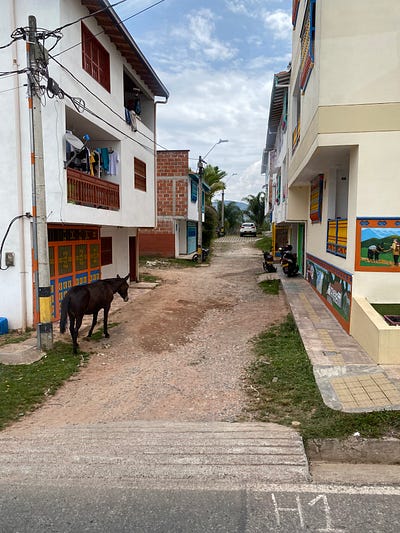
On our final day, we took a day trip to Guatapé.
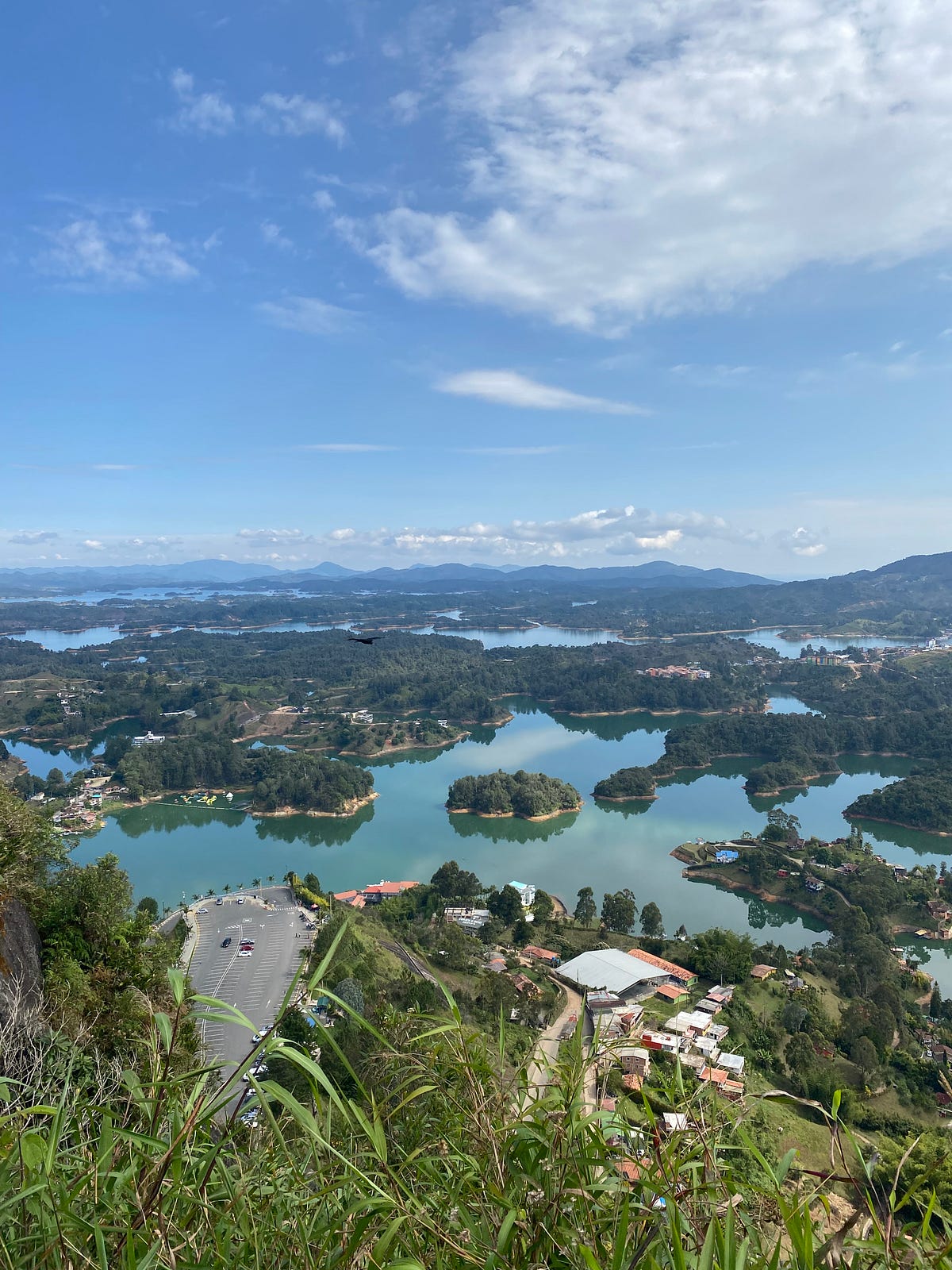
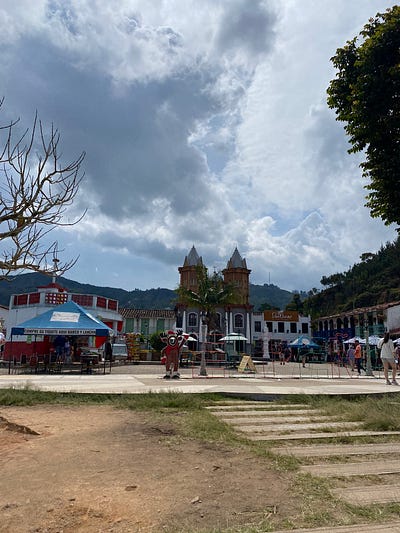
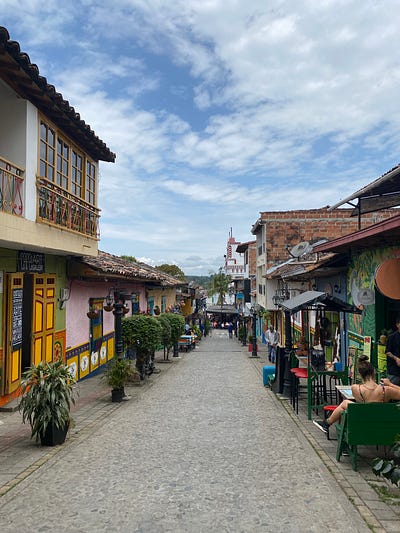
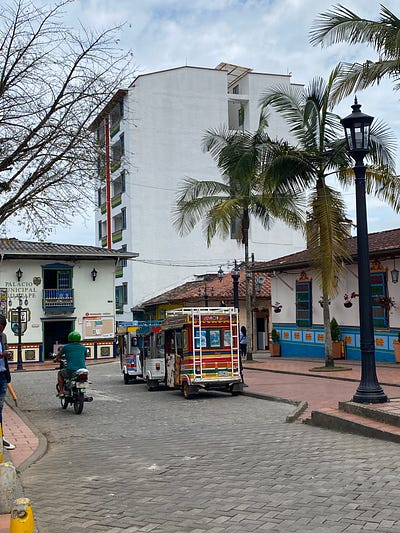
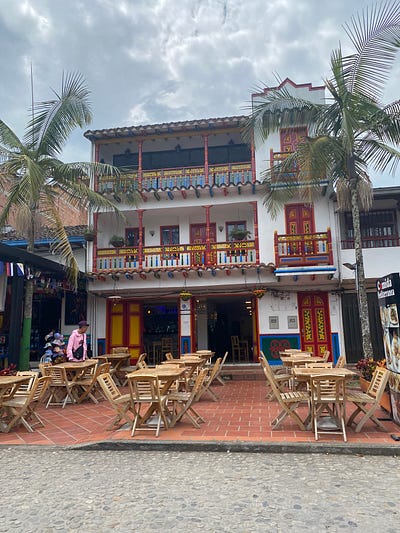
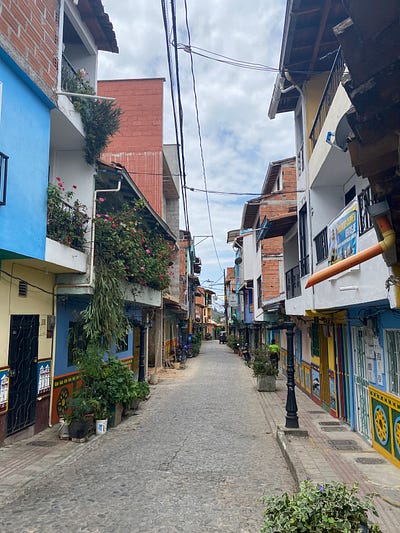
There’s not much to say — breathtaking landscapes, colorful but increasingly touristy villages, delicious food, and beautiful weather.
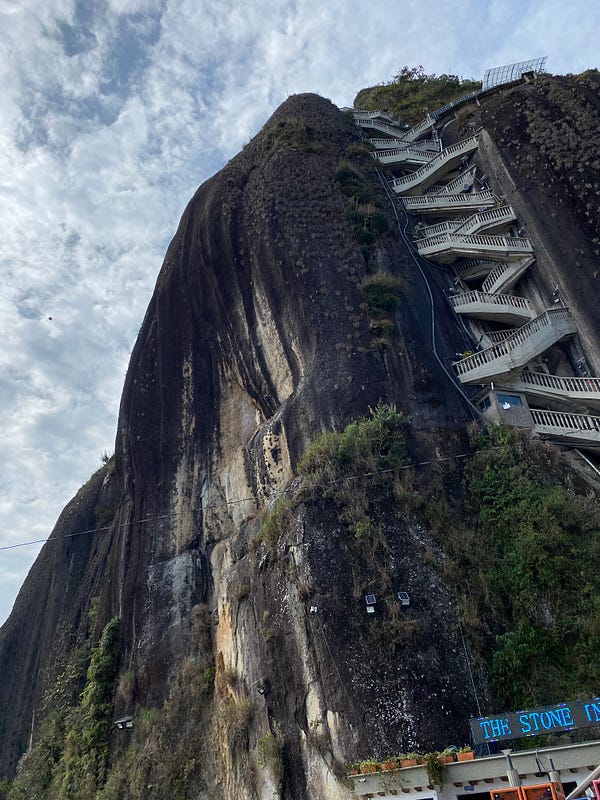
The most memorable part was climbing El Peñol (the rock of Guatapé).
It’s steep, and because of the altitude and effort involved, some climbers had to stop midway — their blood pressure dropping, their legs shaking.
We climbed slowly, steadily — and it was worth every step.
At the top, we sat back with a cold drink and soaked in the stunning panoramic views.
Another thing that stuck with me was the guided tour itself.
While the guide was friendly and cheerful, he was not very informative — telling random stories that didn’t add much.
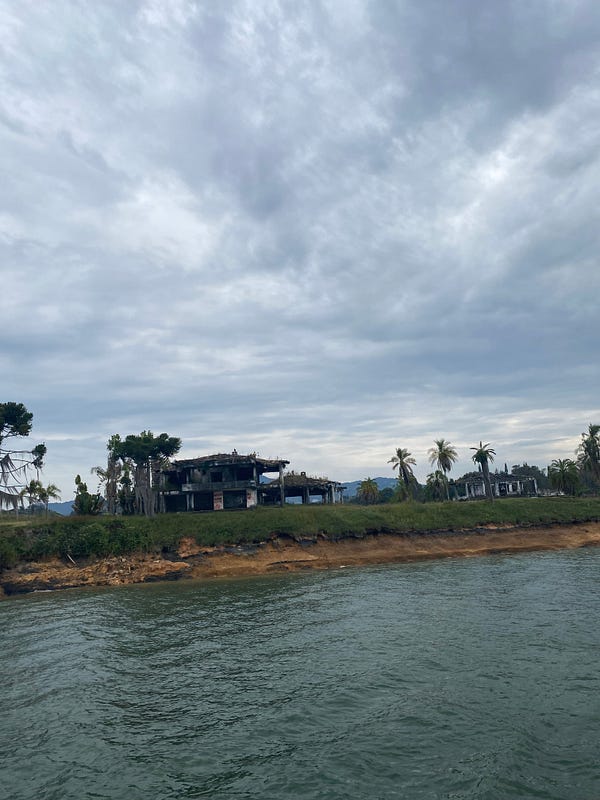
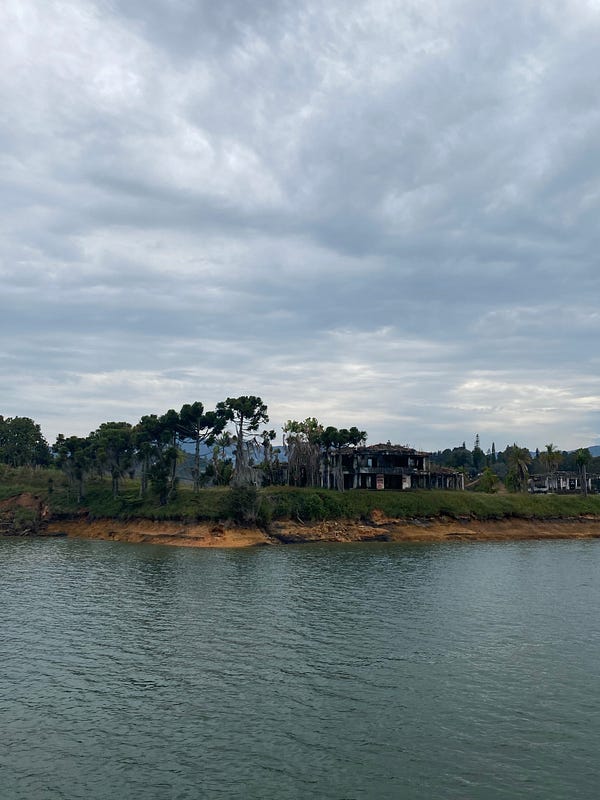
During the river tour later, he mostly pointed out homes belonging to celebrities.
One of those stops was Escobar’s ruined mansion, now used as a paintball arena and an attraction for Escobar-themed tours.
 bahadirhancicek
Leave a comment