

Equal Opportunity and Intelligence: A Deep Connection
Equal opportunity is an important issue. I’ve been meaning to write about it for a long time, but I keep postponing it. This time, I’ll just touch on the subject briefly.
Governments of poorly managed countries that condemn their people to poverty not only steal their citizens’ current well-being, but also their future, intelligence, and the human capital that could carry them forward.
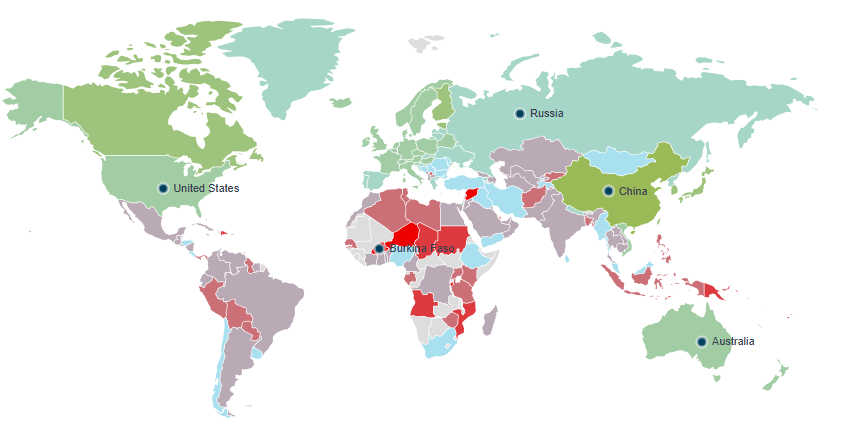
Source: IQ by Country
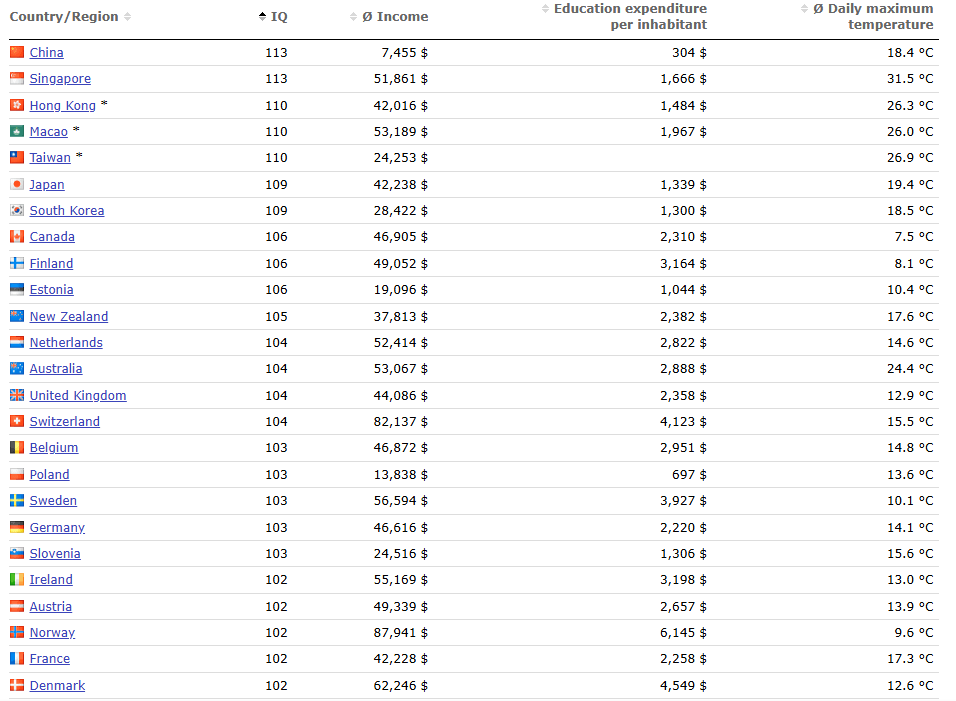
Why am I writing this? Because I saw many IQ discussions in different countries about minorities. It is an another way of racism. An IQ of 89 borders on dull intelligence. Even though the accuracy of IQ tests is debated, it’s a fact that they offer clues about intelligence.
The link to equal opportunity lies in the misconception that everyone has equal access to everything. This isn’t just a myth for developing or underdeveloped countries, but also for developed nations. Free education and access to education for all do not automatically mean equal opportunity.
For example, American patriots often say Black people are behind and unsuccessful. Similarly, in Germany, children of Turkish workers are seen as inadequate. Yet when equal opportunities are provided—free of political bias—both groups prove their potential.
What Influences Intelligence in Children and Adults?
Though debated, scientists largely agree that intelligence is shaped more by environment and opportunities than by genetics. The brain, like a muscle, develops the more it’s used.
Factors That Positively Influence Intelligence:
- Healthy nutrition
- Reading
- Music
- Sleep
- Self-discipline
- Active learning
- Time with parents
- Happy family
- Friends
- Support
- Games
- Physical activity
- Real-life experience
Let’s dive into a few key ones:
1. Healthy Nutrition
Healthy eating is crucial. It accelerates brain development in early life and helps maintain it later on. Foods like eggs, yogurt, vegetables, fish, nuts, and apples are highly recommended. This starts even before birth, with a mother’s diet affecting the baby’s future.
As kids are exposed to sweets and junk food, they drift from healthy choices. We must counter this with gamification and positive reinforcement. Now think of families who can’t afford healthy food. Can we really speak of equal opportunity?
2. Reading
Children are naturally curious and absorb everything. Reading supports cognitive growth, imagination, and empathy. Reading to children from an early age and developing reading habits is essential.
But think of book prices and the lack of reading culture in many regions. Thousands reach adulthood without ever reading a book.
3. Music
Music stimulates imagination, emotion, coordination, and motor skills. Singing, dancing, and playing instruments are vital. Yet many children grow up without access to instruments or music classes, stuck with only a recorder in schools.
4. Sleep
Regular sleep is crucial for all ages. Many parents unknowingly harm their kids by not prioritizing healthy sleep patterns.
5. Self-Discipline and Freedom
Children need autonomy and private space. Constant control stifles brain development, turning children into command-followers instead of thinkers. You’ve likely seen this in your surroundings.
6. Time with Parents
Children learn by observing and mimicking. Engaged parenting fosters curiosity, security, and better learning. Sadly, many children are left alone while parents are glued to screens or too exhausted to engage.
7. Happy Family and Healthy Environment
A joyful home supports mental and emotional development. Families burdened with stress, conflict, or substance use pass on their instability to their children, often unknowingly stunting their growth.
8. Play and Physical Activity
Games and physical activity enhance imagination, memory, teamwork, and cognitive function. However, many kids lack the space or time for such play, especially in over-urbanized areas.
9. Real-Life Experience
Curiosity drives learning. Real-life experiences—interacting with nature, visiting parks and museums—boost cognitive growth. Yet millions live in concrete jungles, unable to afford even the smallest outings.
Lack of opportunity, poor quality of life, and diminished purchasing power all shape the future. They erode thinking skills and intelligence. This isn’t just about the present—it dooms future generations to the same fate.
Just like the wealth gap, the intelligence gap is growing. Society is devolving into one that makes worse decisions with each passing year.
 bahadirhancicek
Leave a comment