NOTE: Everything mentioned below is real and has actually happened. There are no hidden references or innuendos.
I had passed by this place many times before but never went in, partly because of its location and partly because the sign looked like a tourist trap. But this time, due to the rain, I decided to give it a chance.
Perhaps it was my five years living in the former East Germany or my general interest in that era — but once inside, I was kicking myself for not having visited sooner.
Now that I’ve gotten the boring travel blog intro out of the way, let’s talk about the museum. It contained many everyday items, photos, and stories from the period. I’ll try to explain East Germany (GDR) based on the parts that caught my attention.
PRESS
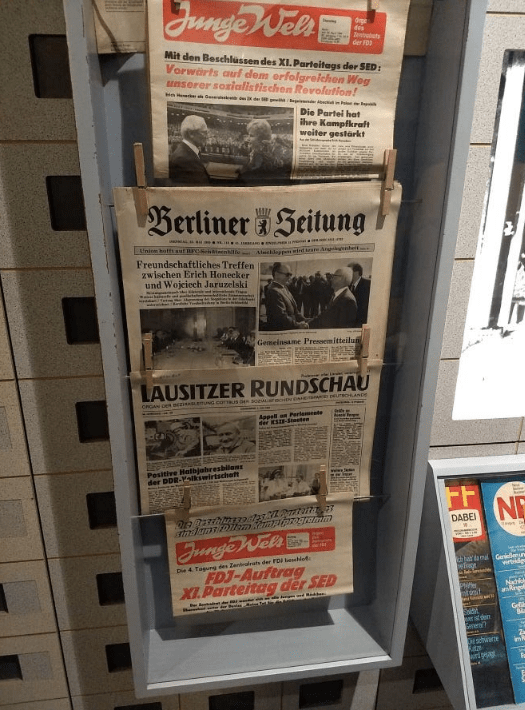
The East German media consisted of 39 newspapers, 2 television channels, and 4 radio stations — and they all said the same things.
East German media was heavily censored. Every Wednesday, editors from different media outlets would gather and receive instructions on what they should publish.
Newspapers also had a mandatory section called “New Germany.”
Interestingly, this phrase had been used during the Nazi era as well. And not just in Germany — many countries and ideologies have repeatedly used the concept of “new.”
The “New Germany” section was mandatory reading for party members. The rest of the content focused on how successful the revolution was, the excellence of the economy, national consciousness, political achievements, etc.
In addition, children’s programs, talk shows, and entertainment shows on TV were all part of the propaganda machine.
Those who wanted to access Western broadcasts found it difficult since Western signals were largely jammed — though not perfectly, as some did get through.
“A strong army for peace, solidarity for peace” (A day of unity and togetherness)
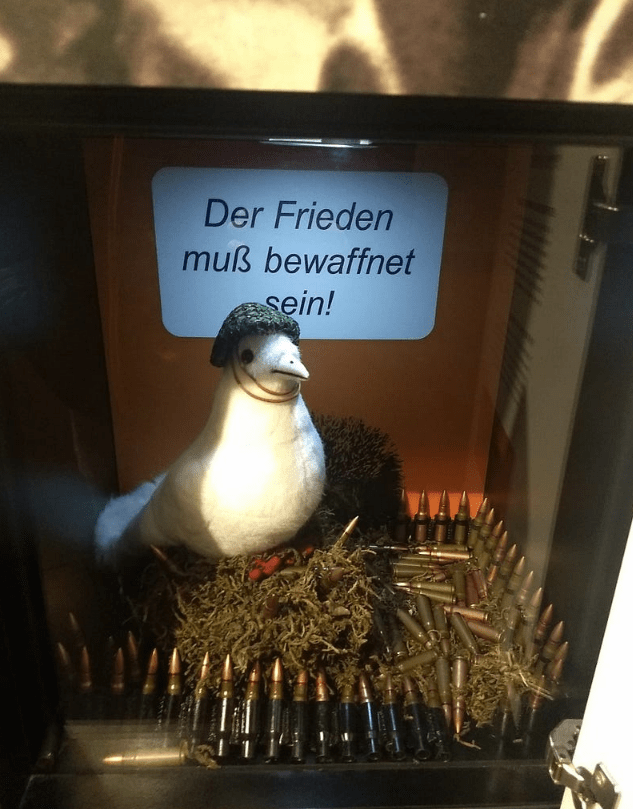
Another major propaganda tool was cinema. Theaters constantly showed films about heroism and military themes. Where films were insufficient, short documentaries called “Eyewitness” were used to stress the importance of military service and having a strong army for peace.
Military service wasn’t just promoted ideologically — it was also a financially rewarding career.
The poster in the photo reads: “ARM YOURSELF FOR PEACE.”
Enemies
Of course, there were enemies trying to destroy this “beautiful system” from the outside. Everyone knew who they were: revenge-seeking war hawks, neo-Nazis in Bonn, Western powers, and their agents.
Like the devil in medieval times, this enemy was everywhere — sowing seeds of doubt in the minds of weak socialists and trying to brainwash them.
Party members were so convinced of this narrative that they believed even criticism of the West was the work of Western agents.
There were efforts within universities, schools, and NGOs to manage this fear — as creating excessive paranoia and control among the public wasn’t ideal. Direct intervention regarding external issues was considered a last resort.
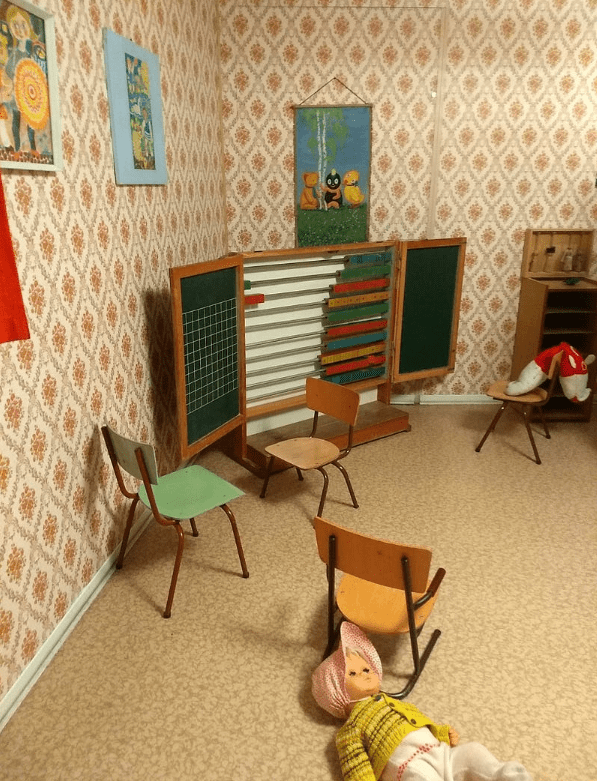
A photo from an East German kindergarten was displayed.
Viktor Emil Frankl, a psychiatrist and Auschwitz survivor, wrote:
“To survive, you must have hope, because they can imprison and control every part of you — except your mind and your feelings.”
In my view, the Soviets came close to controlling even people’s emotions and thoughts. They confiscated freedoms and then gave back just enough small “freedoms” to make people feel falsely liberated.
Elections

The logic behind East German elections was summed up in a popular school joke:
The cafeteria offers two choices: “Eat it, or leave it.”
Elections were the same — you could vote for the National Front, or not vote at all. Not voting, however, was risky, as it was easy to track who didn’t vote or who voted “no.”
An election poster from the period read: “We are electing candidates for the National Front.”
Parliament
Society was governed by the motto: “The only way to be strong is through unity.”
Therefore, the most notable thing about Parliament was the absence of dissent or debate. The parliament, led by the Socialist Unity Party, existed solely to approve whatever was proposed.
The 500-member parliament met just 2–3 times a year in full session. The only recorded “no” vote in history happened on March 9, 1972, regarding an abortion law, when a small group from the CDU (Christian Democrats) opposed it.
But don’t get too excited — this was prearranged and agreed upon in advance.
“The Party is Always Right!”
Though it sounds like a joke, this slogan was constantly reinforced throughout daily life. One of the most repeated phrases was: “Be united for the Party and the State!”
The Politburo (which shaped Party policy) and the Socialist Unity Party operated like shadows of each other. The Party controlled every aspect of daily life in East Germany.
Many former government officials later became Party leaders, ensuring that important decisions were made quickly and efficiently through the Party.
This approach extended to local businesses too. Former state officials and MPs were placed in leadership positions in companies, which were run according to Party directives.
The Party also made decisions affecting non-Party members without consulting them, eliminating the possibility of public disagreement.
Domestic Production and Goods
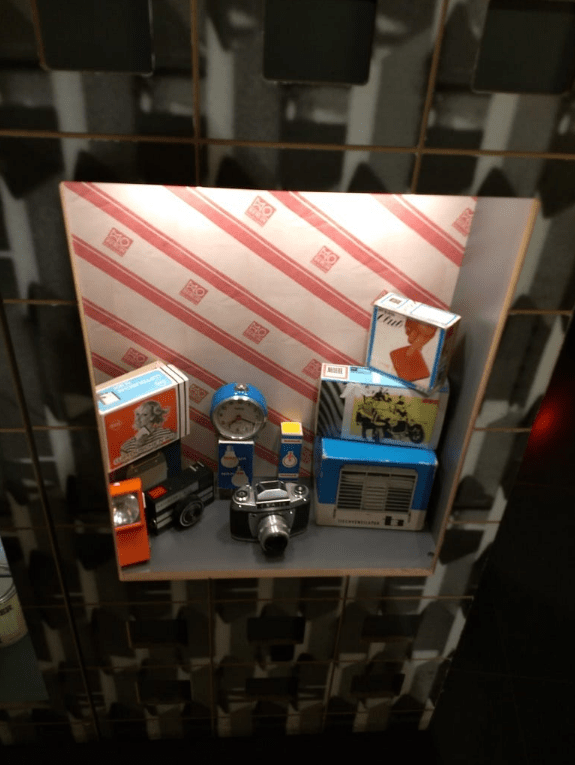
East Germany produced many world-class products. However, only a small portion of these were sold domestically — most were exported.
Despite being an industrial powerhouse, East Germany failed to transition into the electronic age. The closed educational system and self-reliant production model made it difficult to build the necessary infrastructure.
Another striking detail: only about 5% of goods were available to domestic consumers.
How was this sufficient? Simple — demand was low. Many products were expensive, people weren’t encouraged to spend, and the state provided many basic needs.
Life of the Leaders
The ruling elite were always “right” — and wealthy. While ordinary citizens could only buy Trabant cars, leaders drove Volvo limousines.
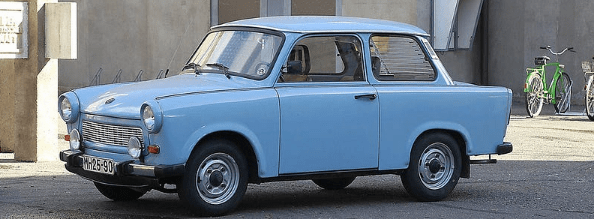
Trabant: 8,000 Marks
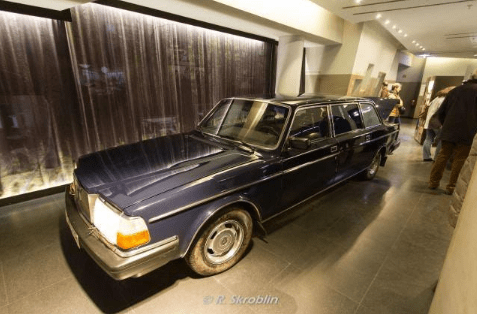
Volvo 264: 45,000 Marks
Special stores catered to the elite, offering both domestic and imported luxury products: tropical fruits, alcohol, cosmetics, jewelry, leather goods, and more.
If requested (especially electronics), items were ordered directly from West Germany.
Comparing income and expenses:
1949: average salary = 249 Marks
1970: 750 Marks
1989: 1,300 Marks
Engineer salary in 1988 = 1,400 Marks
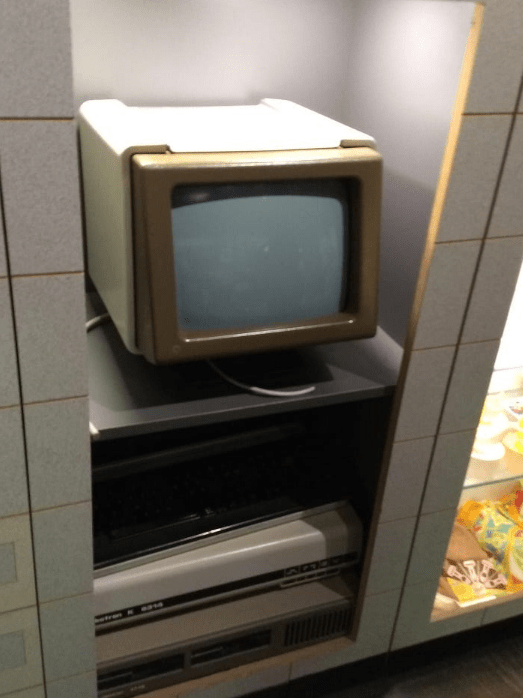
Color TV = 4,900 Marks
Other sample prices:
12 eggs = 4.68 Marks
TV = 5,000–6,000 Marks
Trabant car = 8,000 Marks
Cosmetics = 5–6 Marks
Haircut = 0.95 Marks
Vodka = 16 Marks
Detergent = 7 Marks
Washing machine = 3,000 Marks
1 kg rice = 0.80 Marks
Volvo limousine = 45,000 Marks
Basic needs were relatively affordable, and salaries were just enough to cover them.
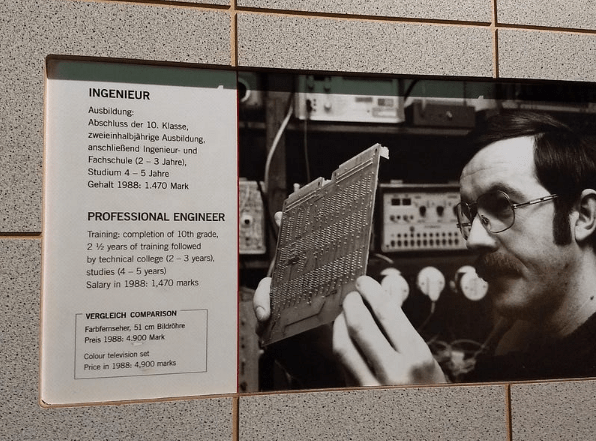
But luxury goods were very expensive. Ordinary citizens had little choice — almost all available products were East German.
Healthcare
Healthcare was one of the state’s priorities.
Along with education and propaganda, the goal was to create healthy, well-rounded model citizens — without promoting too much freedom.
Sports were heavily promoted — Party policy required everyone to exercise at least once a week.
Sport was seen as the foundation of the socialist personality, and these expectations applied to all men and women — not just athletes. By the 1980s, about 20% of the population were members of the German Gymnastics and Sports League.
Membership was free, and the League served as an umbrella organization for various clubs.
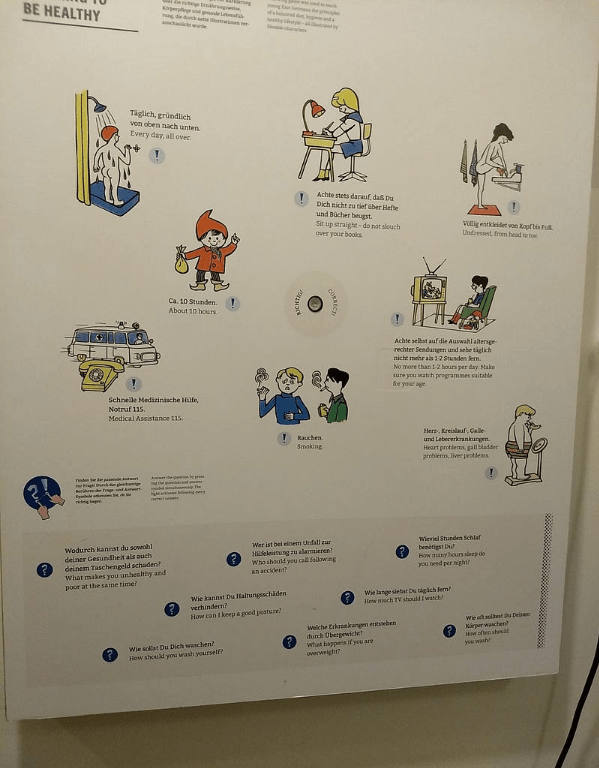
In public spaces (schools, workplaces), mandatory health rules were posted:
- Shower daily.
- Sit upright while working; don’t lean toward your books.
- Undress from top to bottom.
- Sleep about 10 hours a day.
- Don’t watch TV for more than 1–2 hours a day, and watch age-appropriate content.
- Watch your weight — being overweight can cause heart, gallbladder, and liver problems.
- Smoking makes you unhealthy and poor.
Beyond all this, state surveillance was a daily reality. Intelligence services monitored citizens as much as possible, creating detailed profiles for each one.
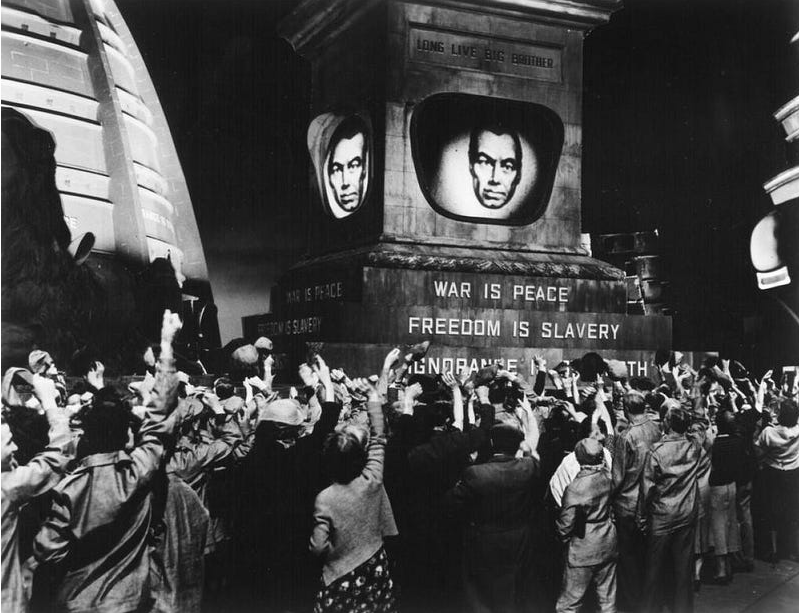
It was like the real-world version of 1984 — although similar practices existed in Nazi Germany and other authoritarian regimes.
Finally, typical East German homes were recreated in the museum. Even today, you can still encounter homes and people living like this.
Photos shown:
- Living room
- Sitting room
- Kitchen
- Bathroom
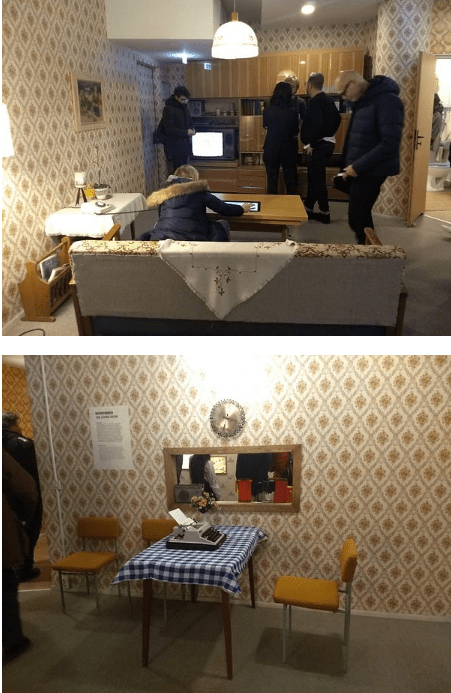
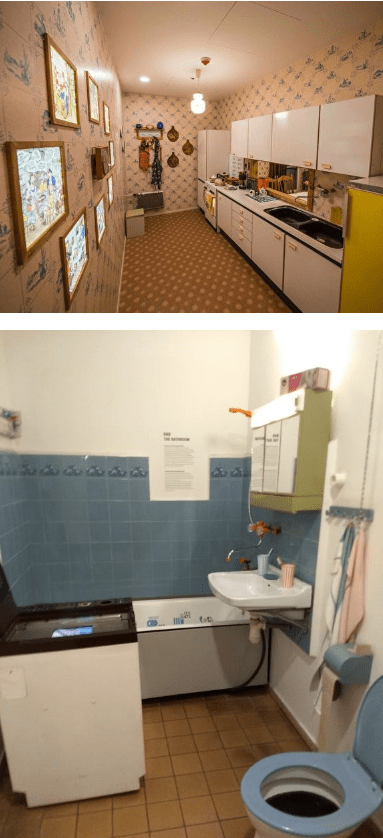
Photos by me.
 bahadirhancicek
Leave a comment